BEHIND THE LENS
CALI, COLOMBIA BY CRISTINA CRUZ NAVIA AND JUAN JARAMILLO
Calí natives Cristina Cruz (designer), Juan Jaramillo (photographer), Jose Padilla and Andrés Aguilar (producers) came together to explore the capital of Valle del Cauca and reveal, through their eyes, the beauty, flavours and warmth that make Cali such a unique city.
Today, Cali is going through a difficult moment following the earthquake that struck Colombia on August 10. In the face of adversity, its people are standing strong with resilience and hope, demonstrating that enduring ability to rise, reinvent themselves and flourish once again.
At this moment, looking towards Cali also means supporting its recovery. Travelling to the city, shopping and dining locally, supporting its creative community and discovering its culture are some of the ways we can help the city get back on its feet.
For those who would like to directly support the city’s recovery, we invite you to donate to the ProPacífico Foundation and the Colombian Red Cross.
Words: Cristina Cruz Navia
Photography: Juan Jaramillo
What would you like to say today to those who are thinking about visiting the city?
Come. Today, more than ever, visiting Cali is also a way of supporting and standing by the city. Our city has been through a very difficult time, but it remains the vibrant, warm, creative, and lively place that we wanted to capture in these pages.
Cali has a very special ability to rise again and bloom once more. The solidarity that emerged in the wake of this tragedy has been immense, reminding us of the berraquera of our people, but above all, of the strength we have when we come together. In the face of adversity, Cali has shown time and again that it knows how to come together, care for one another, and move forward.
Come meet its people, eat at its restaurants, shop local, discover its artists, artisans, and designers, dance, and let yourself be surprised by its nature. All of this is also a way of contributing to its recovery. I believe this is a moment to move closer to Cali, not further away from it. Caleños have always known how to dance with life, even when the song changes.
If you had to choose your favorite thing about Cali, what would it be?
Its nature. The majestic samán trees lining Carrera Quinta, the guayacanes that burst into bloom, suddenly adorning the city in shades of yellow and pink, its mountains, and the lush vegetation that is such an integral part of everyday life. I have always dreamed of seeing a grand avenue in Cali completely lined with guayacanes. I hope to make that dream a reality someday!

What is the most special and unique thing about Cali that you haven’t seen anywhere else?
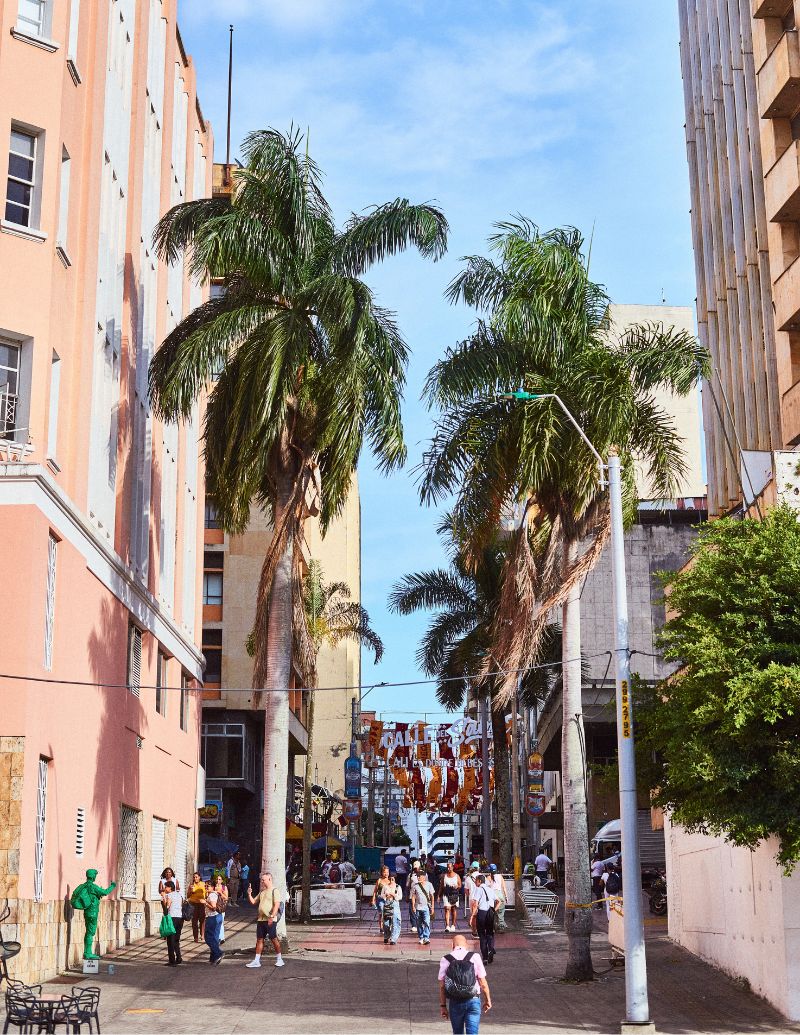
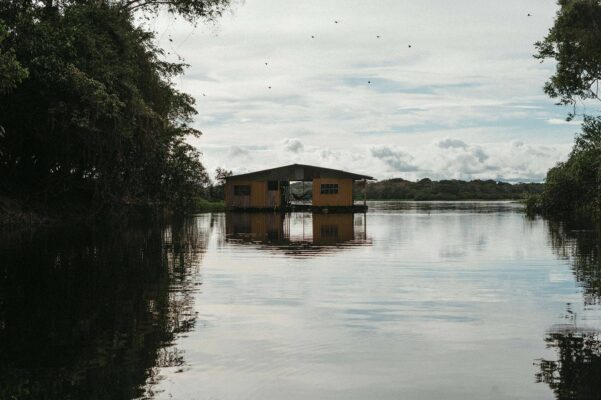
Its exuberance and energy. Cali is a city where the urban and the tropical coexist in a remarkably natural way: the samán trees, the palm trees, the rivers that flow down from the Farallones, the mountains, the warmth, and an extraordinary diversity of birds. It is a deeply biodiverse city, and that natural richness is present even in the midst of the urban landscape.
“Cali, the City of Birds” is another title our city has earned. We have more than 500 bird species! I find that diversity extraordinary: being able to encounter so many colors, songs, and forms of life is part of the richness of growing up and living here.
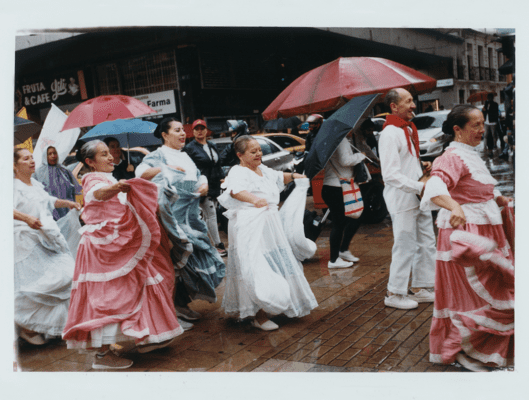
But I believe that exuberance also exists in its people. We Caleños have a very particular energy—a joyfulness and a way of embracing life that can be felt in the streets, in the music, in the food, and in the way we connect with one another. We always know how to dance to the rhythm of life in all its songs, whether they strike high or low notes.
Is there a typical word or expression from Cali that you love?
There are several. “Calidoso,” because it is difficult to translate literally: it describes someone or something good, pleasant, special, or with a great energy. Then there is “descualquierarse,” which is very much our own: to loosen up, let go of your composure, stop taking things so seriously, and simply enjoy yourself.
I also love “guapachoso”: someone with rhythm, flavor, and a joyful spirit. It is one of those words that seems to describe not only a person, but also something of the spirit of Cali itself.
And, of course, “Cali, la Sucursal del Cielo” is the nickname Caleños use when speaking of our city, reflecting the particular pride and affection we feel for it. To me, there is something beautiful about it: it suggests that a little piece of heaven is here, nestled among the mountains, greenery, music, warmth, and the joy of its people.
There is also “La Sultana del Valle,” another affectionate and proud way of referring to Cali. To me, it evokes a majestic, exuberant city full of character, surrounded by the beauty of the Valle del Cauca.
Where to eat in Cali?
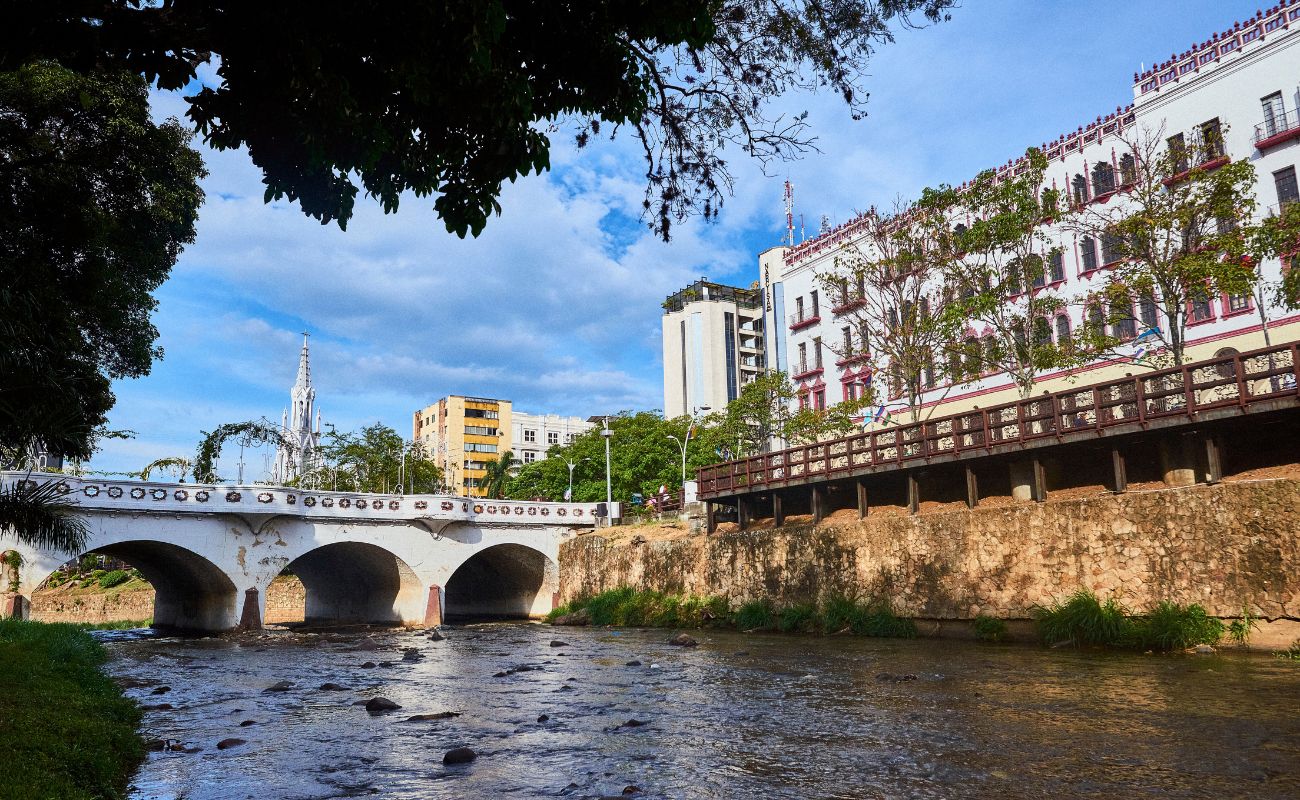
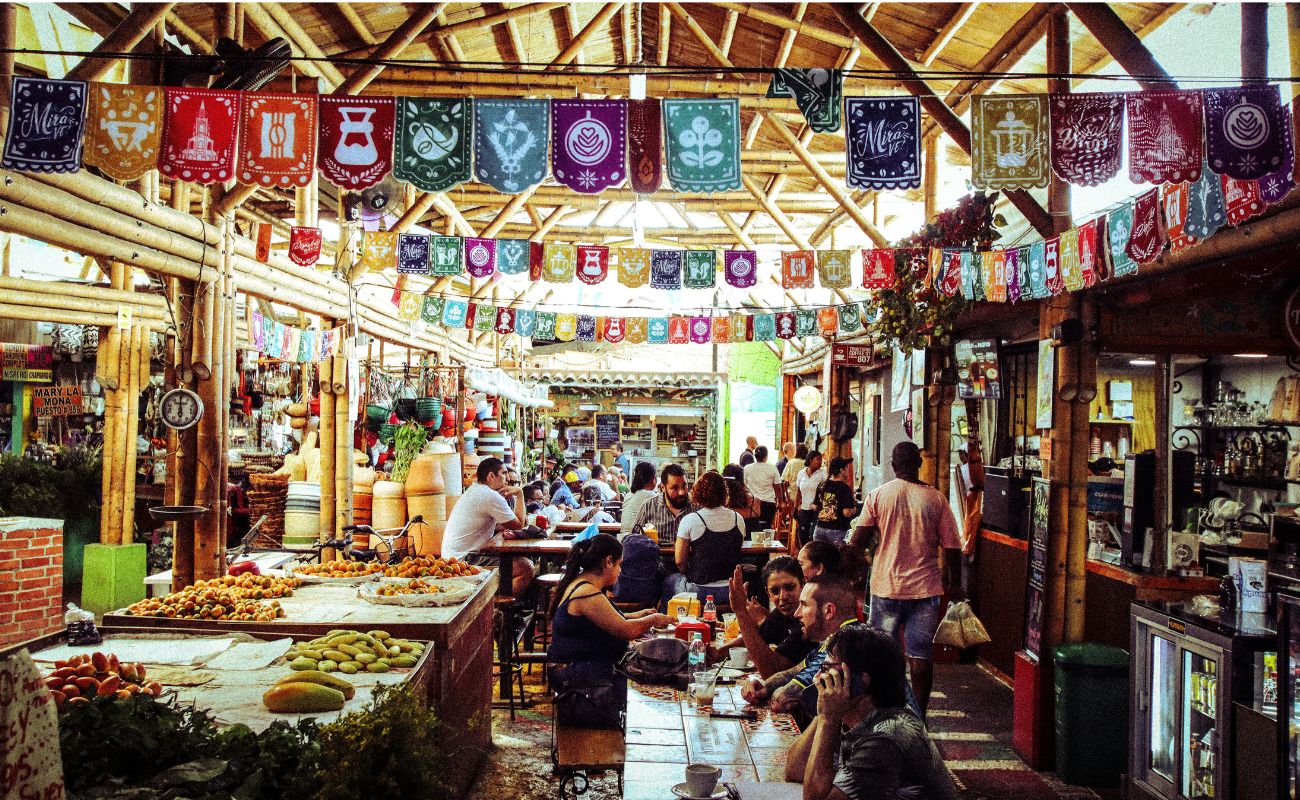
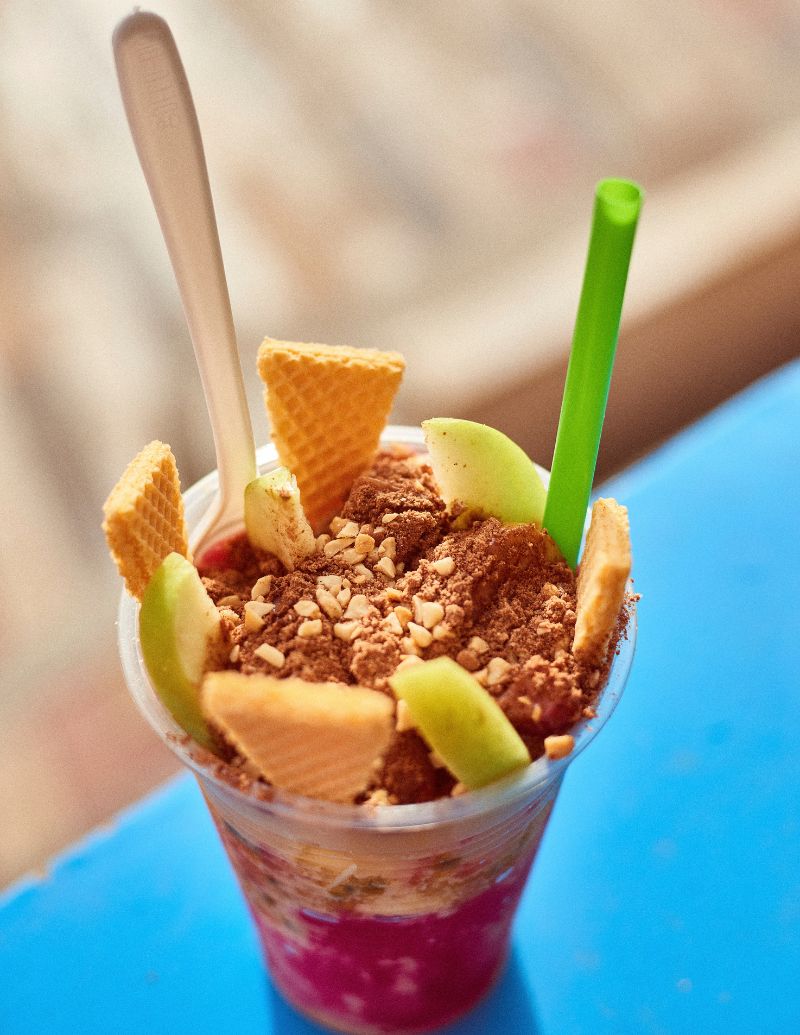
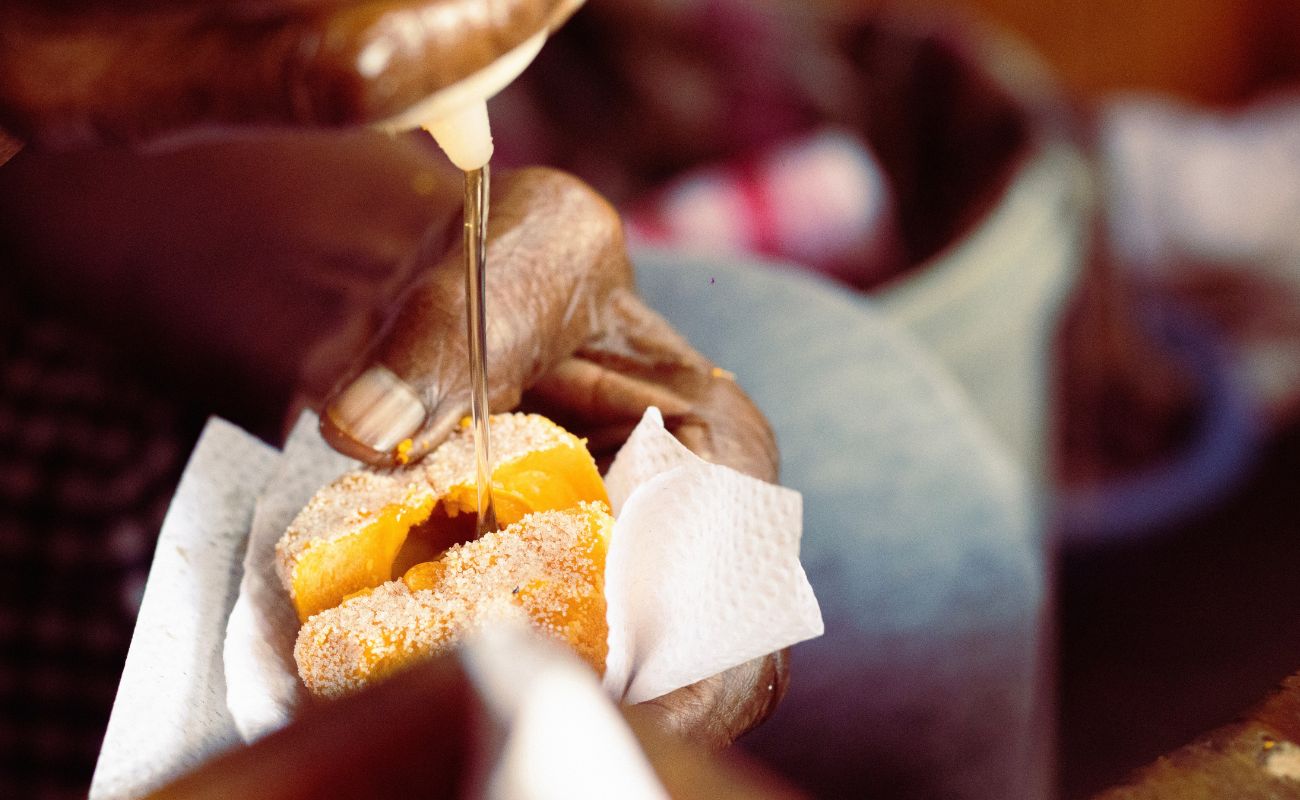
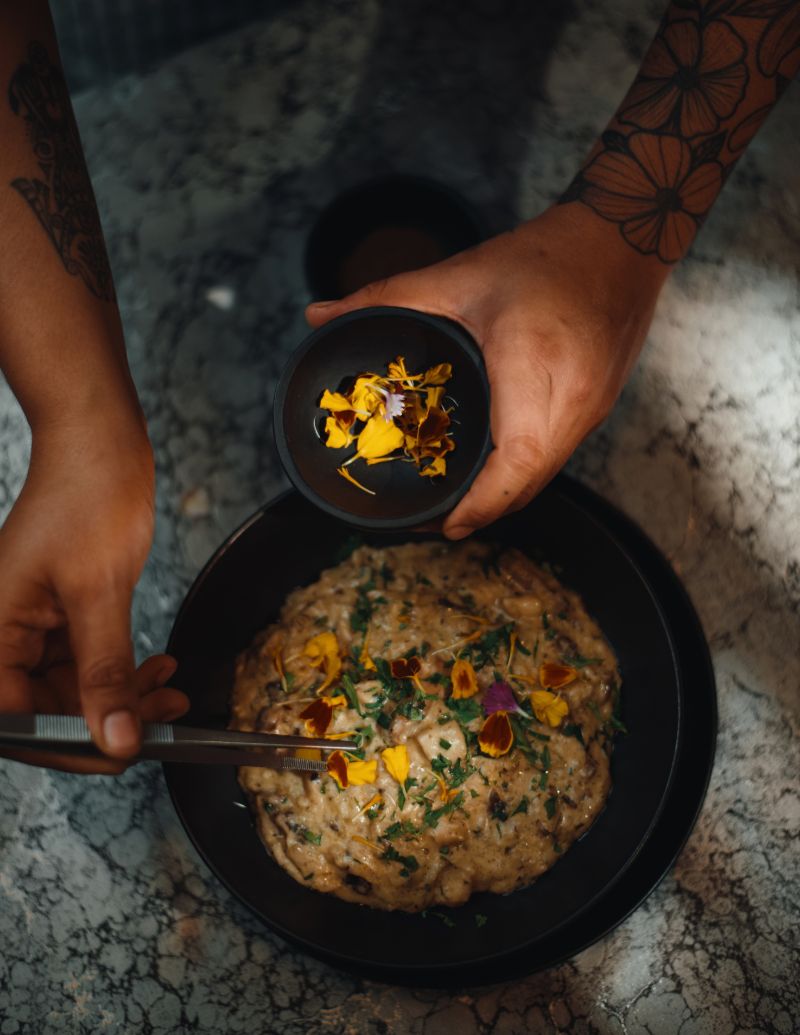
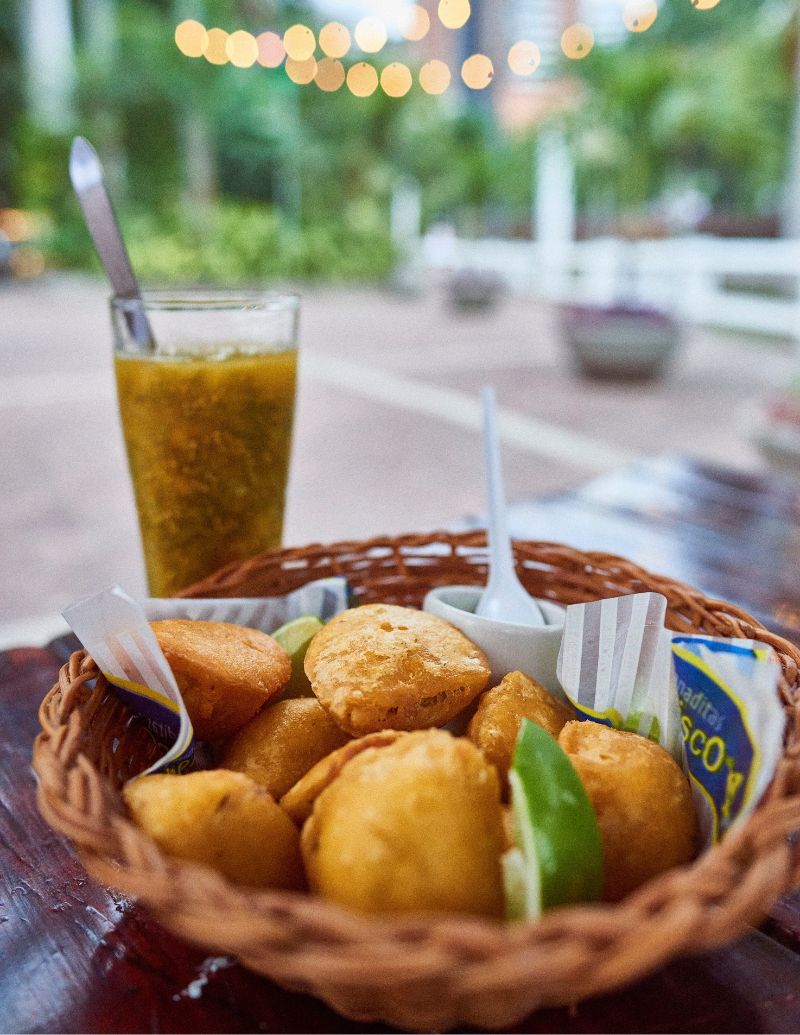
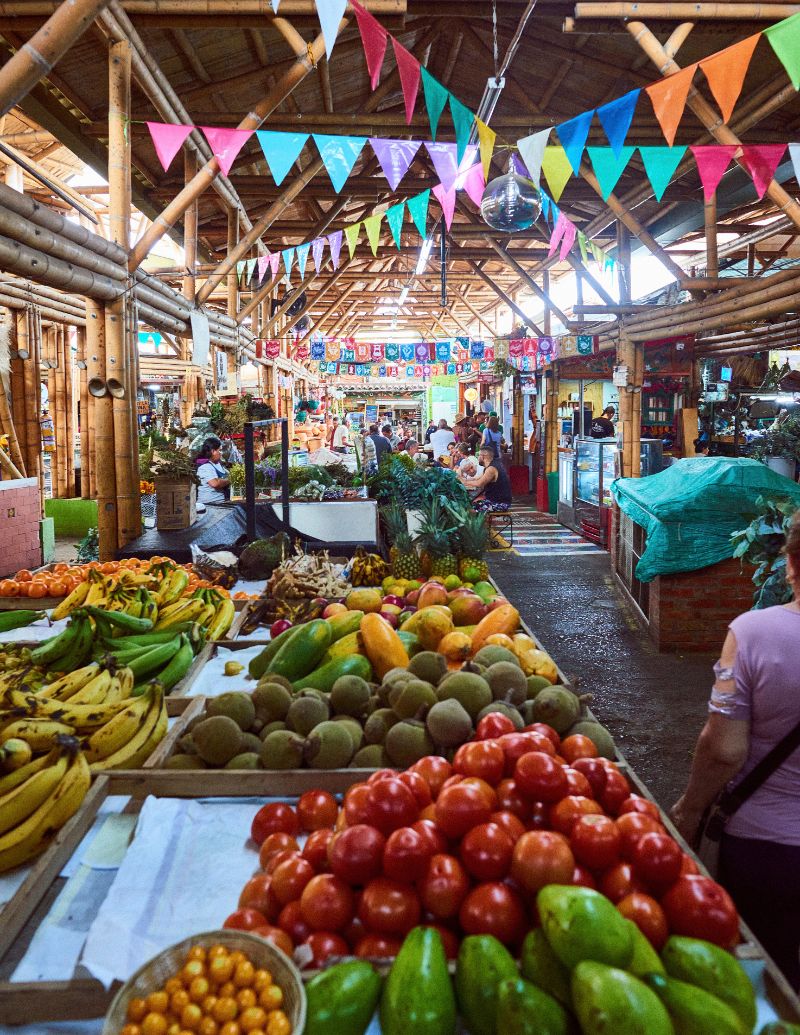
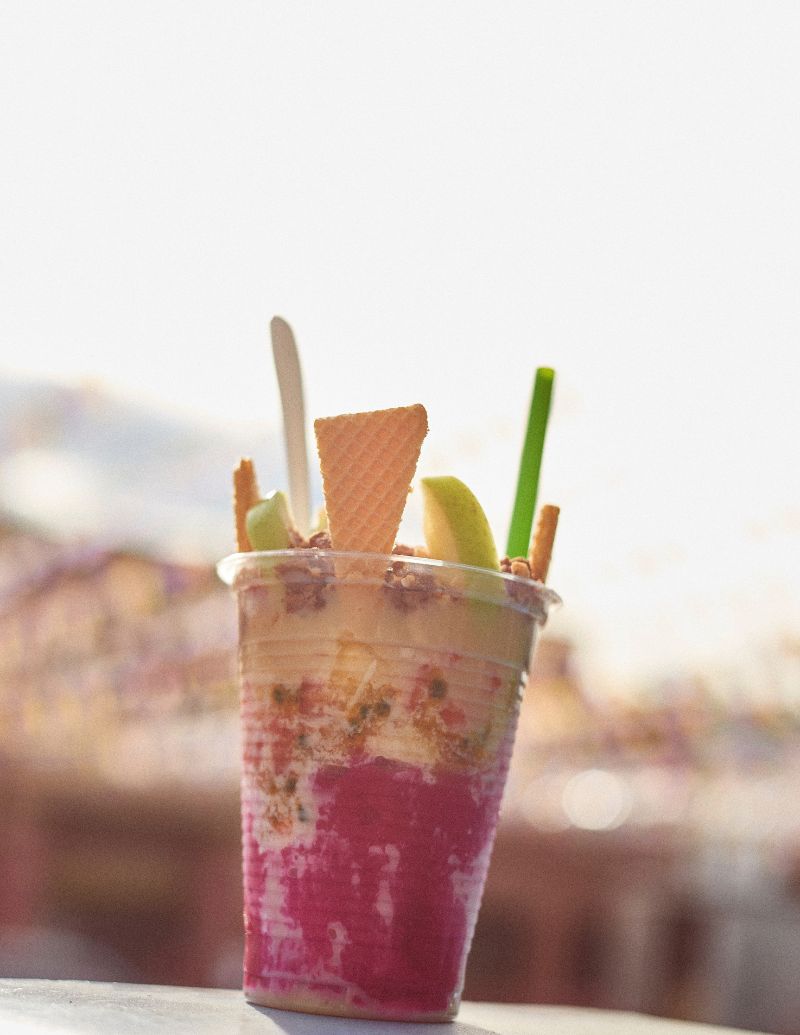
Eating in Cali is also a way of getting to know the city. I would visit classics such as Hacienda del Bosque and Platillos Voladores, but I would also seek out the flavors that are part of Cali’s collective memory: having empanadas at the Obelisco, trying a cholado and a chontaduro at Puente Ortiz, enjoying a pandebono fresh from the oven, and exploring Galería Alameda to discover the incredible diversity of fruits, ingredients, and flavors from the Pacific coast and the Valle del Cauca.
I would also add El Portón de Meléndez, Valle Pacífico, and Domingo to the list—three more places to include on a culinary tour of Cali.
When you travel to Cali, you can’t miss…
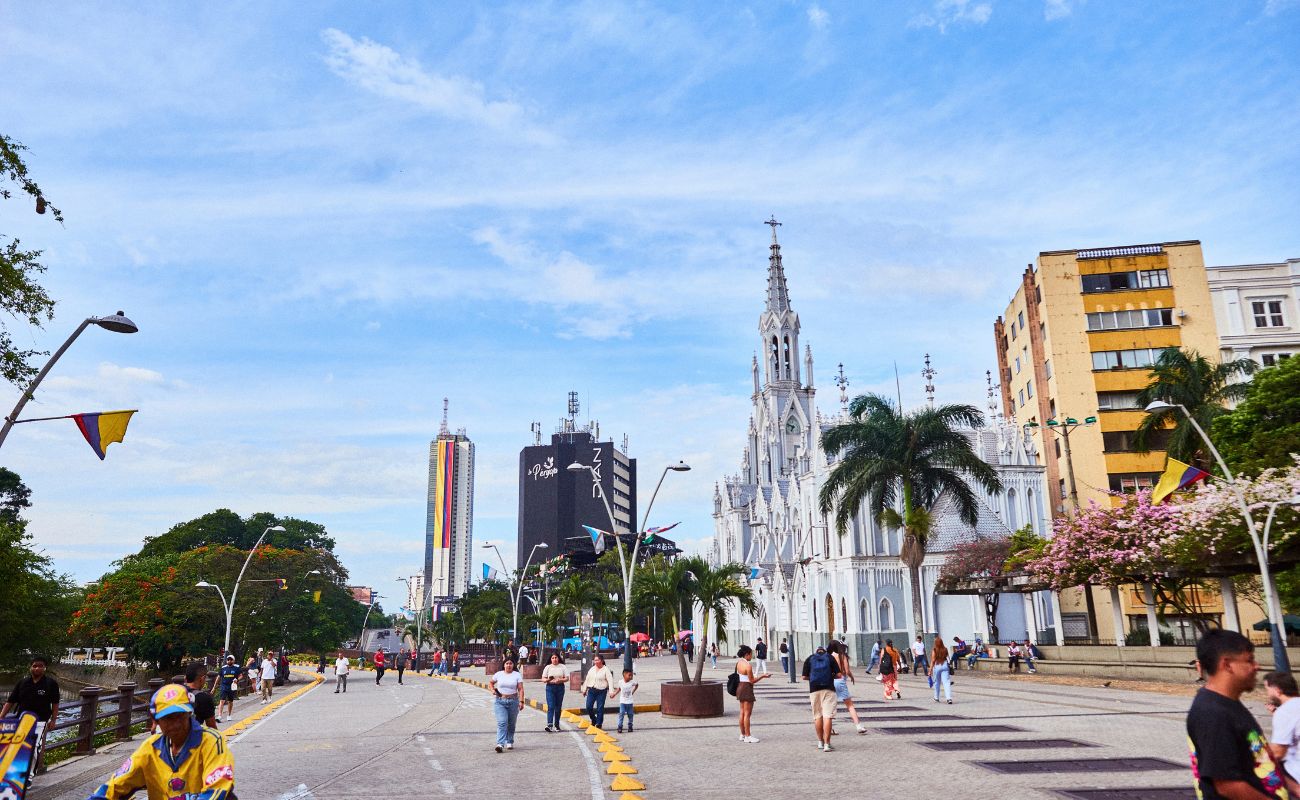
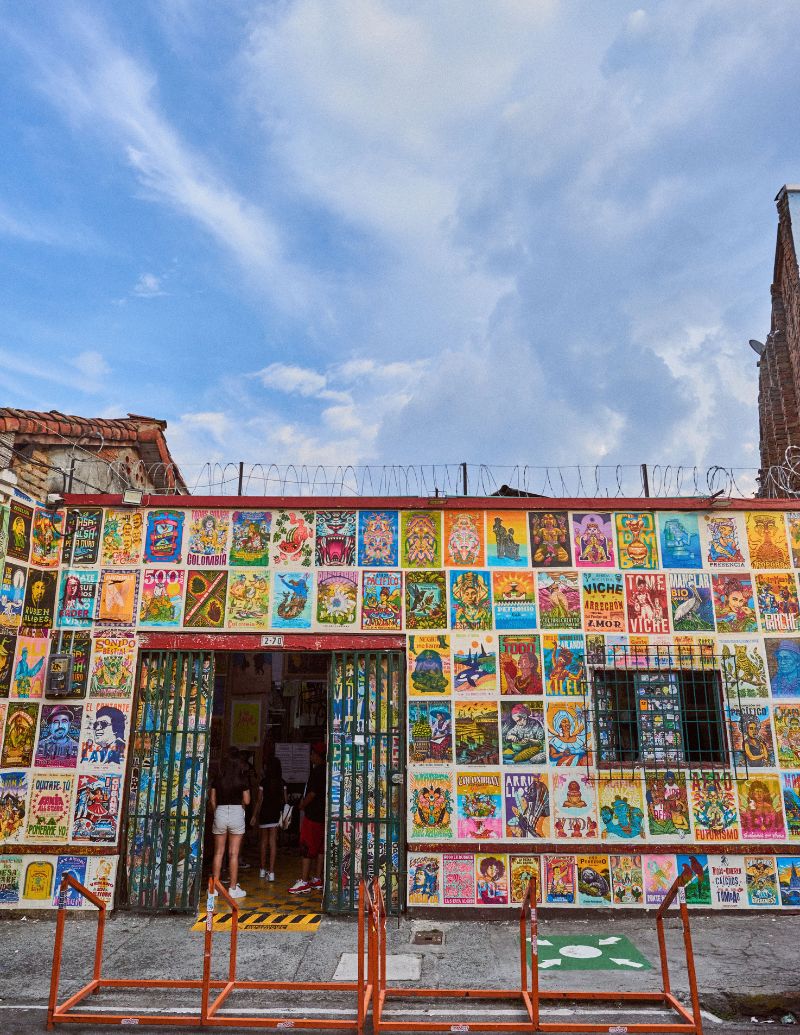
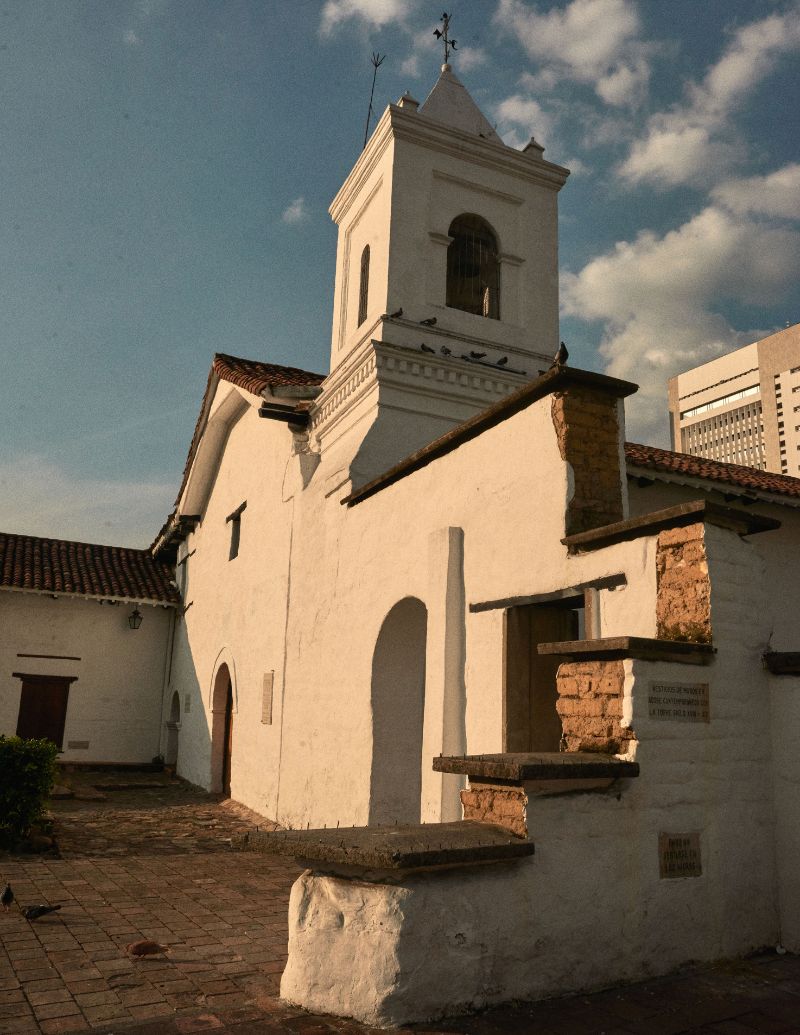
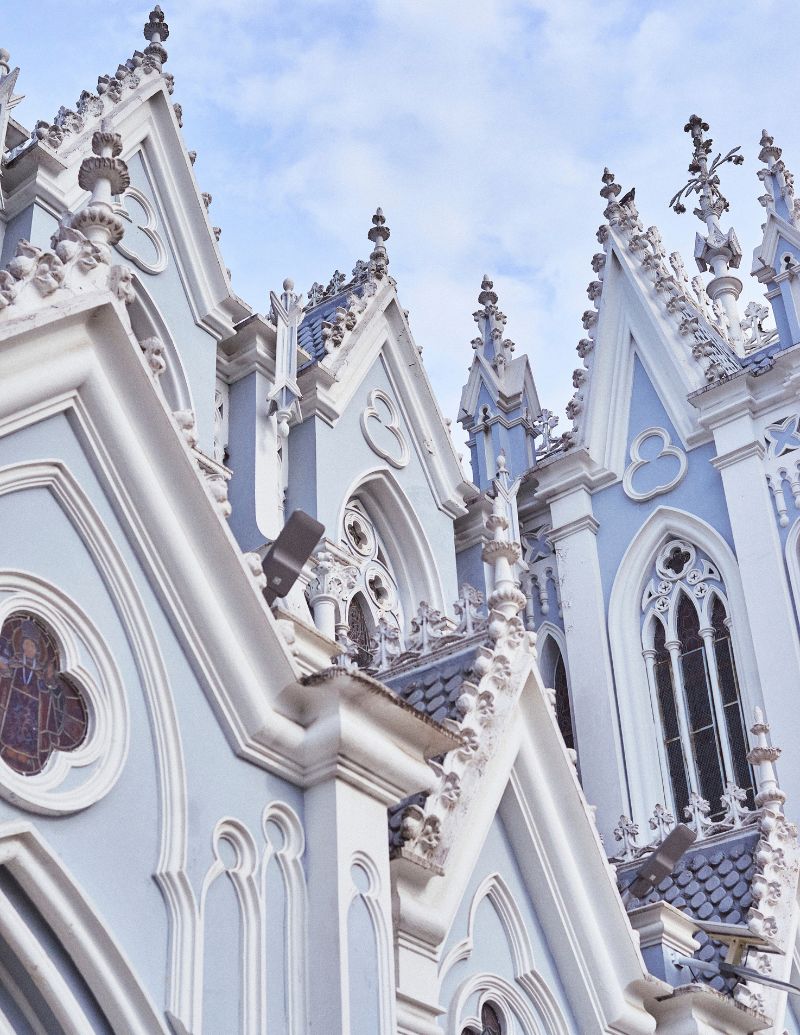
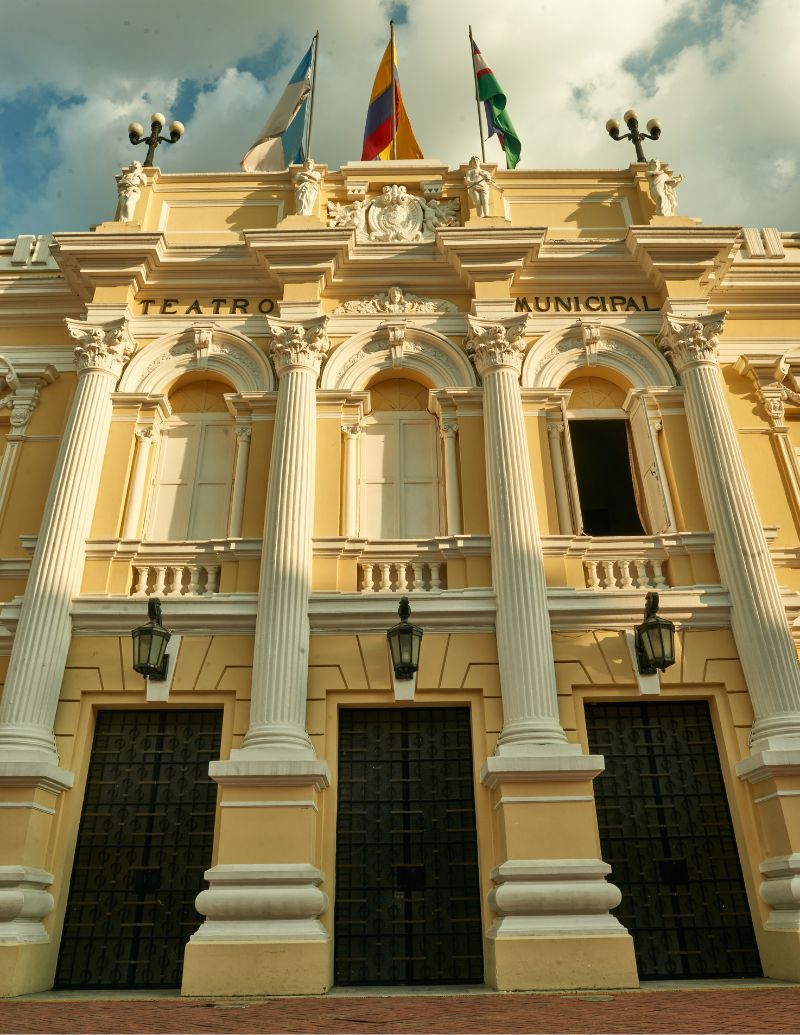
Walking through the San Antonio neighborhood; visiting La Merced, La Ermita, and Puente Ortiz; stepping into La Linterna to discover part of the city’s graphic design tradition; and visiting Litoral to explore the craftsmanship and talent of our region.
It is also essential to explore the boutiques of Cali-based designers who are now bringing the name of our city to some of the most important fashion showcases around the world, including Johanna Ortiz, Andrés Otálora, María Elena Villamil, Michu, Senda, Juan de Dios, Renata Lozano, and Filipa. Cali has a powerful creative identity, and its fashion is another way of discovering it.
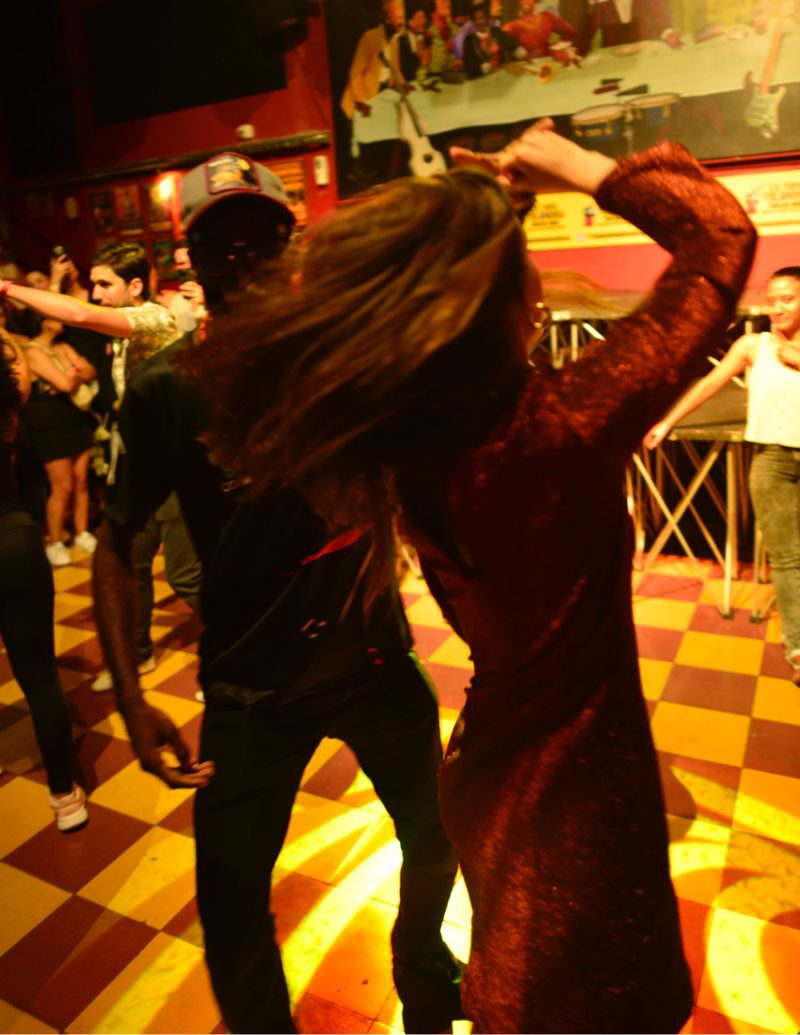
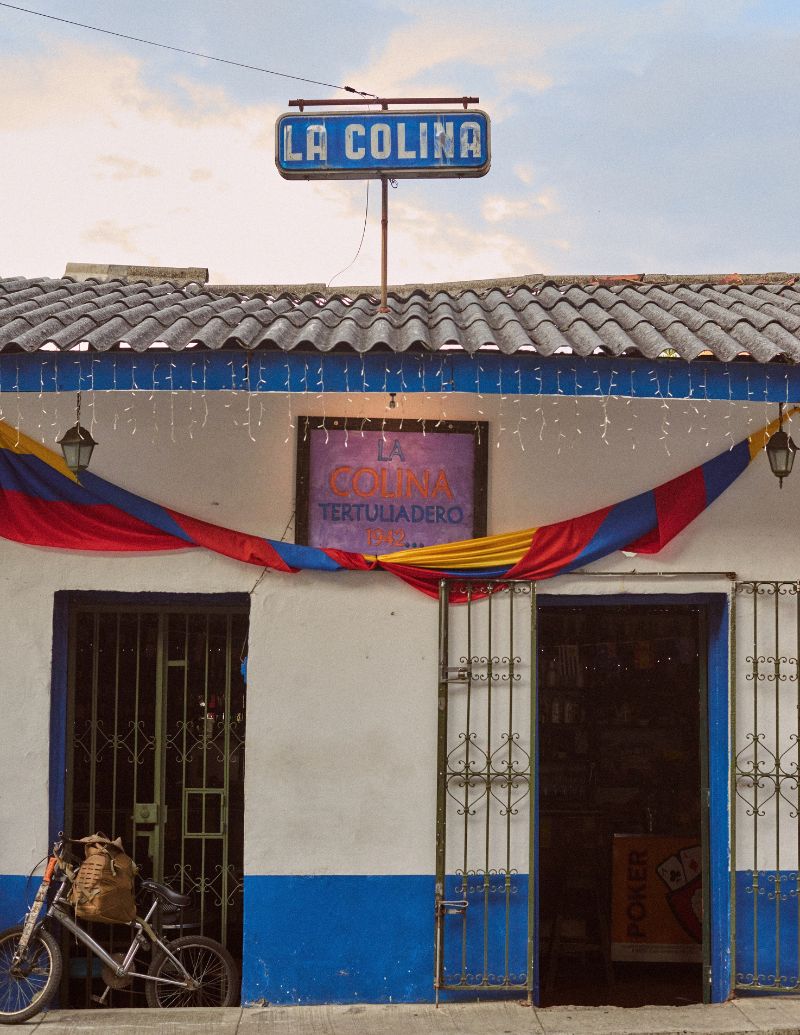
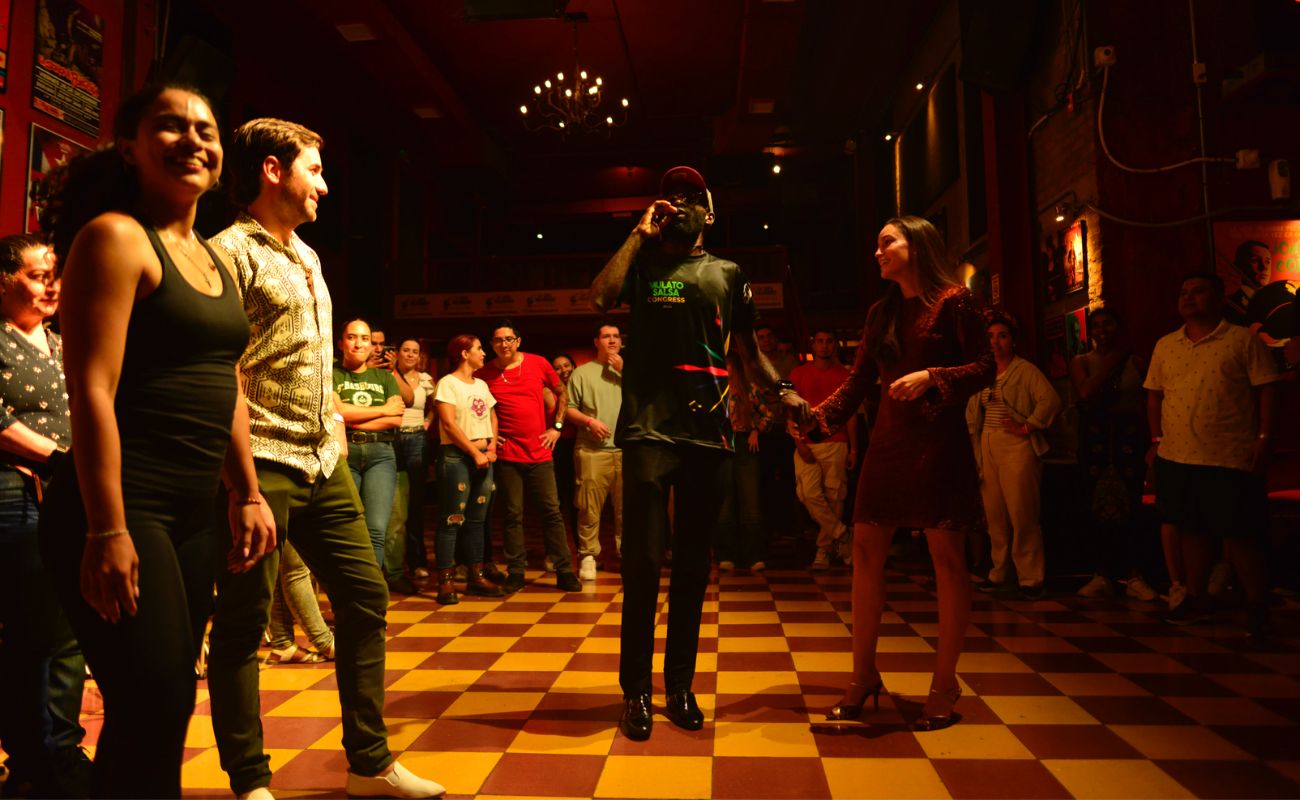
I would also stop by a local market and explore the Obrero neighborhood and the Museo de la Salsa to get closer to the city’s history and salsa culture. I would end the afternoon watching the sun set over the mountains while enjoying empanadas at the Obelisco, and finish the day dancing salsa at La Topa Tolondra.
If you are in Cali on a Sunday, don’t miss “Un Domingo Guapachoso” at La Topa Tolondra, an afternoon of salsa dancing. On Fridays, La Topa also offers salsa classes at 7 p.m.—the perfect opportunity to learn, let loose, and get swept up in the rhythm of the city.
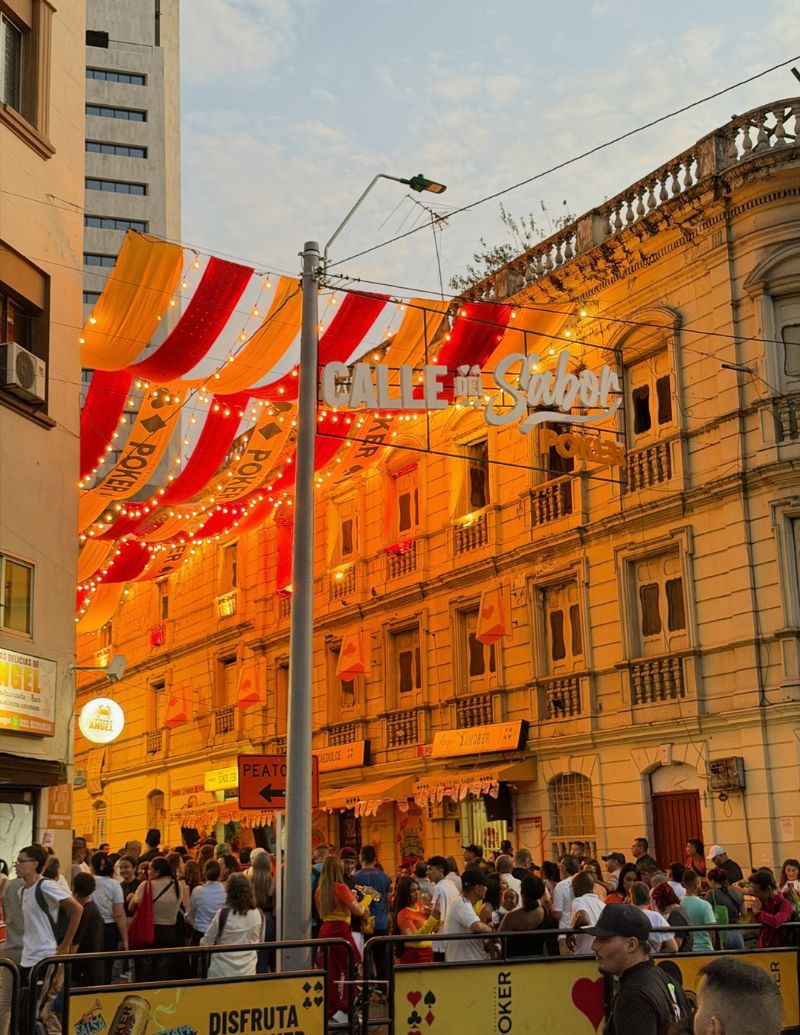
And, if your dates coincide, attending Delirio, the Petronio Álvarez Pacific Music Festival, or the Feria de Cali is a must. It is well worth checking the calendar before you travel!
What does Cali smell like?
Like sugarcane, chontaduro, and pandebono fresh from the oven. To me, Cali has a tropical, sweet, and humid scent that immediately transports me back to my childhood.
Where can you see the best sunset?
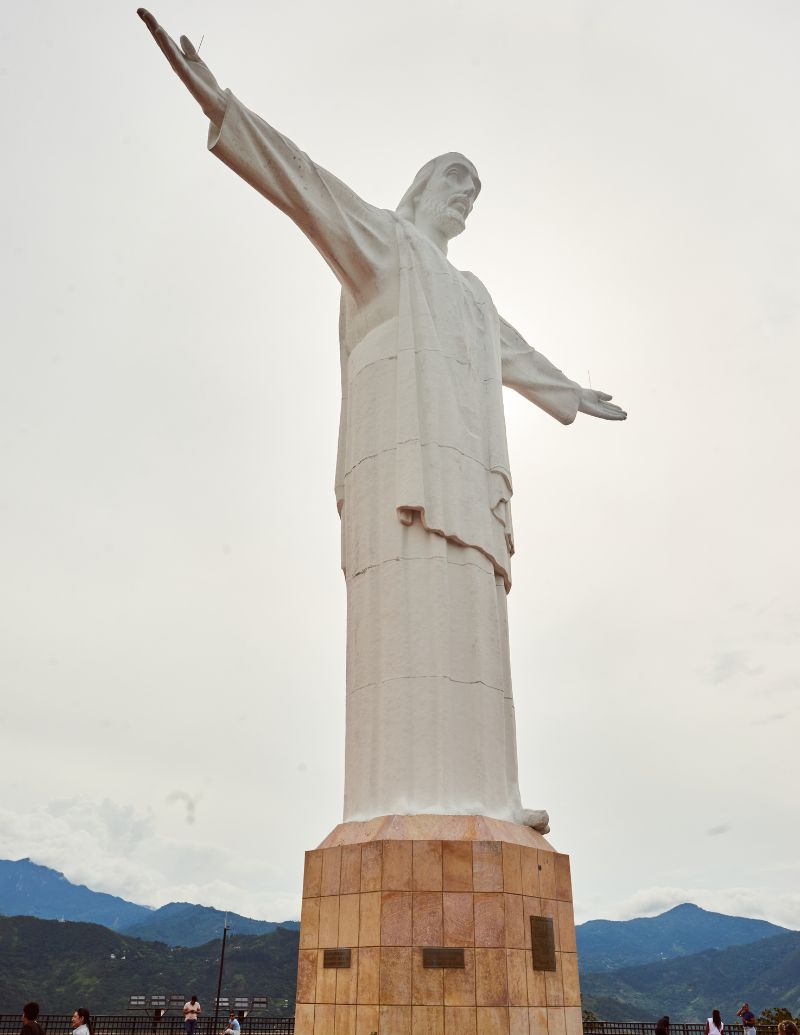
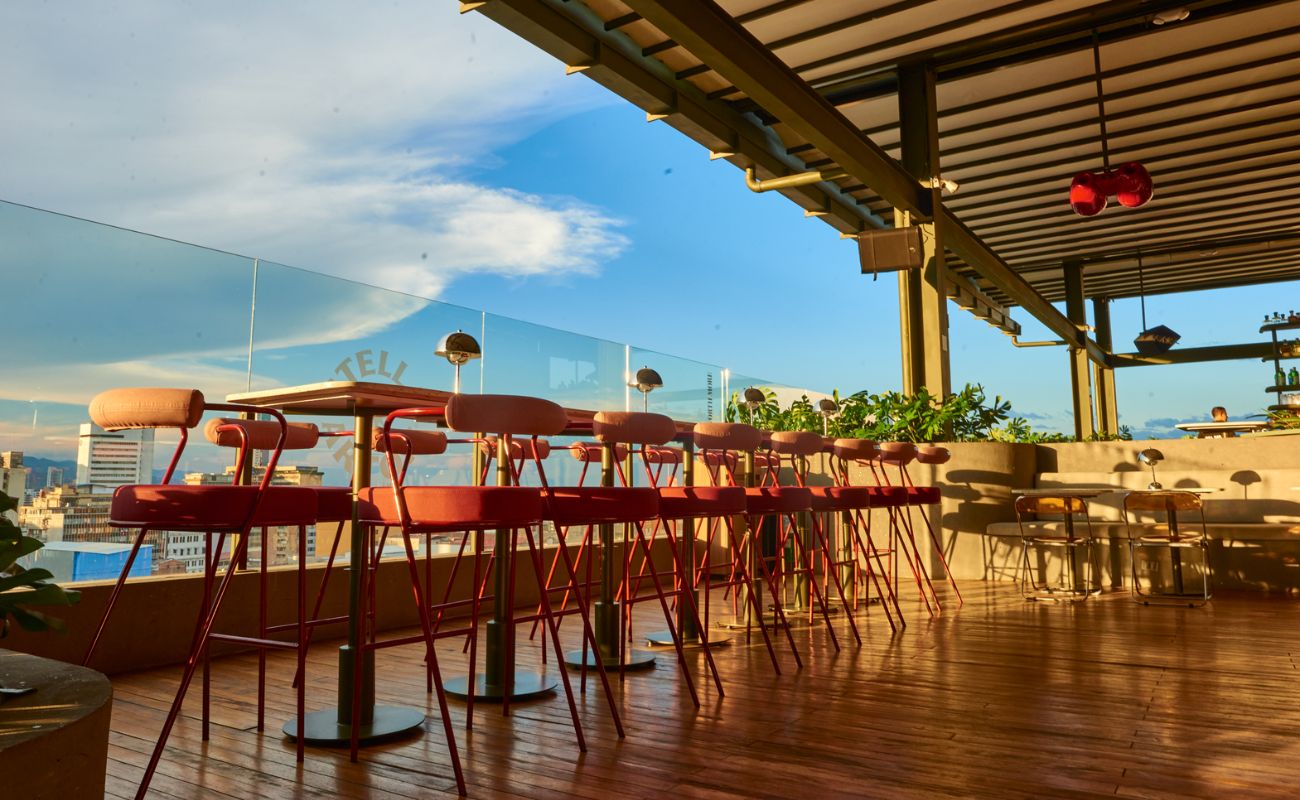
From Cerro de las Tres Cruces or Cristo Rey, watching the light fall over the city and the mountains. There are also rooftops like Callao that are worth arriving at before sunset, so you can watch Cali transform as the light fades and night falls.
What does Cali taste like?
Like chontaduro, pandebono, aborrajado, lulada, melcocha, and macetas: those colorful, traditional sugar sculptures made from alfeñique, so deeply intertwined with Cali’s identity. And, if that’s the mood, a glass of Blanco del Valle aguardiente. Cali has flavors that are sweet, tangy, intense, and tropical—just as diverse as the landscape that surrounds it.
What should you bring with you before visiting Cali?
A desire to dance, curiosity, and time to let the city take you where it will. Cali is best understood when you don’t try to experience it solely through its tourist attractions, but instead walk, taste, talk, and let yourself be swept up in the warmth of the Caleños. There is an incredible cultural richness that reveals itself precisely through these encounters.
If Cali had a soundtrack, what would it be?
It would have salsa, of course, but also marimba and the sounds of the Pacific, and today, inevitably, reggaetón and urban rhythms. It would be a soundtrack that changes throughout the day: classic salsa, percussion, marimba, and music spilling out from a house, a car, or a street corner, eventually blending into the sound of the city. In Cali, music is not simply something you listen to; it is part of our identity and the way we experience and inhabit the city.
What does beauty mean to you?
For me, beauty lies in that which has a sense of identity. In the imperfect, the authentic, in what tells a story and speaks to the place it comes from. I deeply believe in a kind of beauty that does not seek to homogenize, but instead celebrates difference, place, materials, craftsmanship, and the stories behind things.
I am drawn to objects and spaces that allow materials to express themselves honestly, highlighting their essence rather than concealing it. Perhaps because I grew up in a city as exuberant as Cali, with such a close connection to the land and everything that grows from it, I have always understood beauty as something alive and pure.
Photography: @juanjaramilloph
Production: @josepadillamendoza @andresaguilar.ph