BEHIND THE LENS
EL ZONTE, EL SALVADOR BY ERICK CHÉVEZ
Tell us a bit about your relationship with El Salvador. What brought you here and what does this place mean to you?
I am Salvadoran. I grew up here during a more complicated time, and for many years I felt that my country was something one had to escape from in order to get ahead. Over time, photography helped me reconcile with my origins.
Photographing the ordinary and mundane, especially while traveling, has forced me to look more deeply at my own country. Every time I return, I see it with renewed eyes. That has made me love it even more. Documenting became a way to understand it and to understand myself.
In El Salvador, we are living through a period of many changes, especially regarding safety. Before, it wasn’t very comfortable to walk around with a camera. Now, with the security and peace we have, it has opened doors for many photographers to document more and show the world the beauty we have to offer.
From your perspective and your images, what attracts you and what do you capture about a city?
I am drawn to what is about to disappear, what is constantly changing.
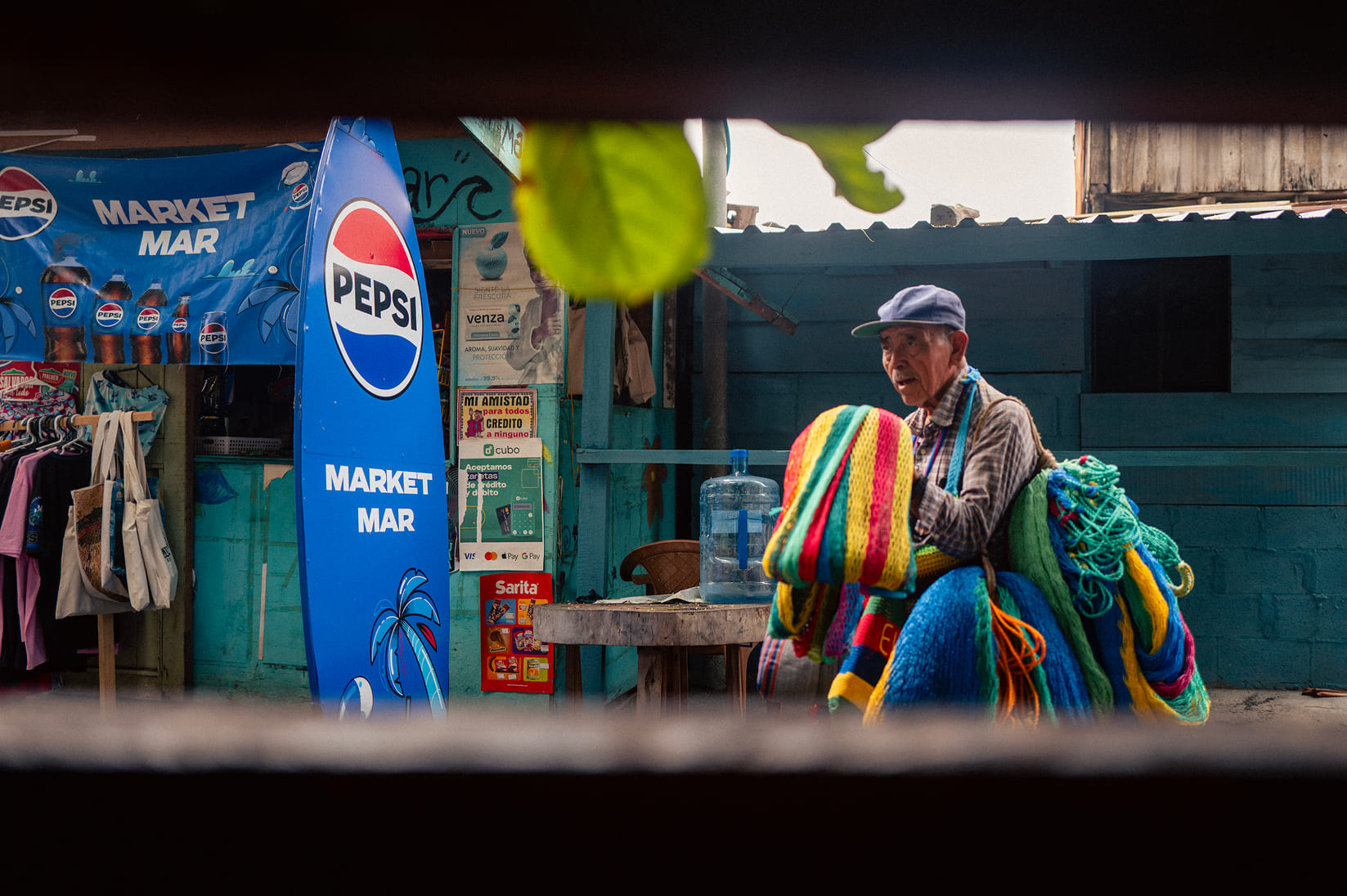
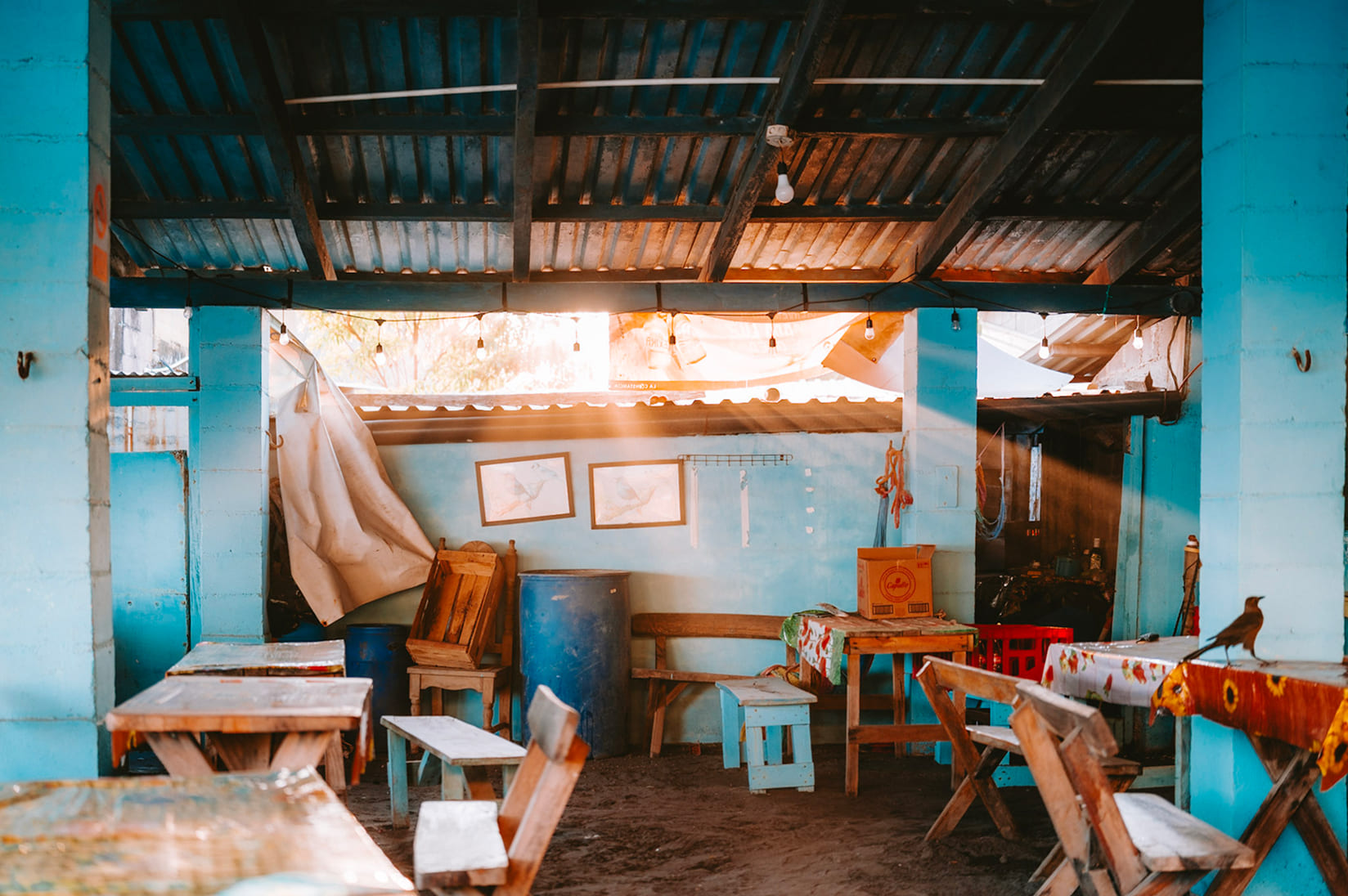
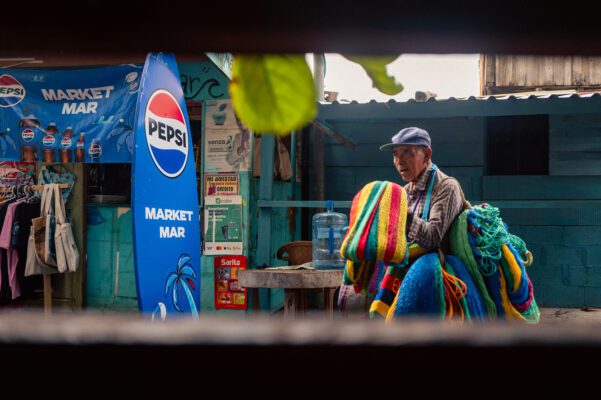
I like to combine the beauty of the places I visit or that surround me, but not from an isolated tourist angle—rather fused with elements that convey a local feeling. Something that feels lived-in. I am interested in the tension between the new and what endures.
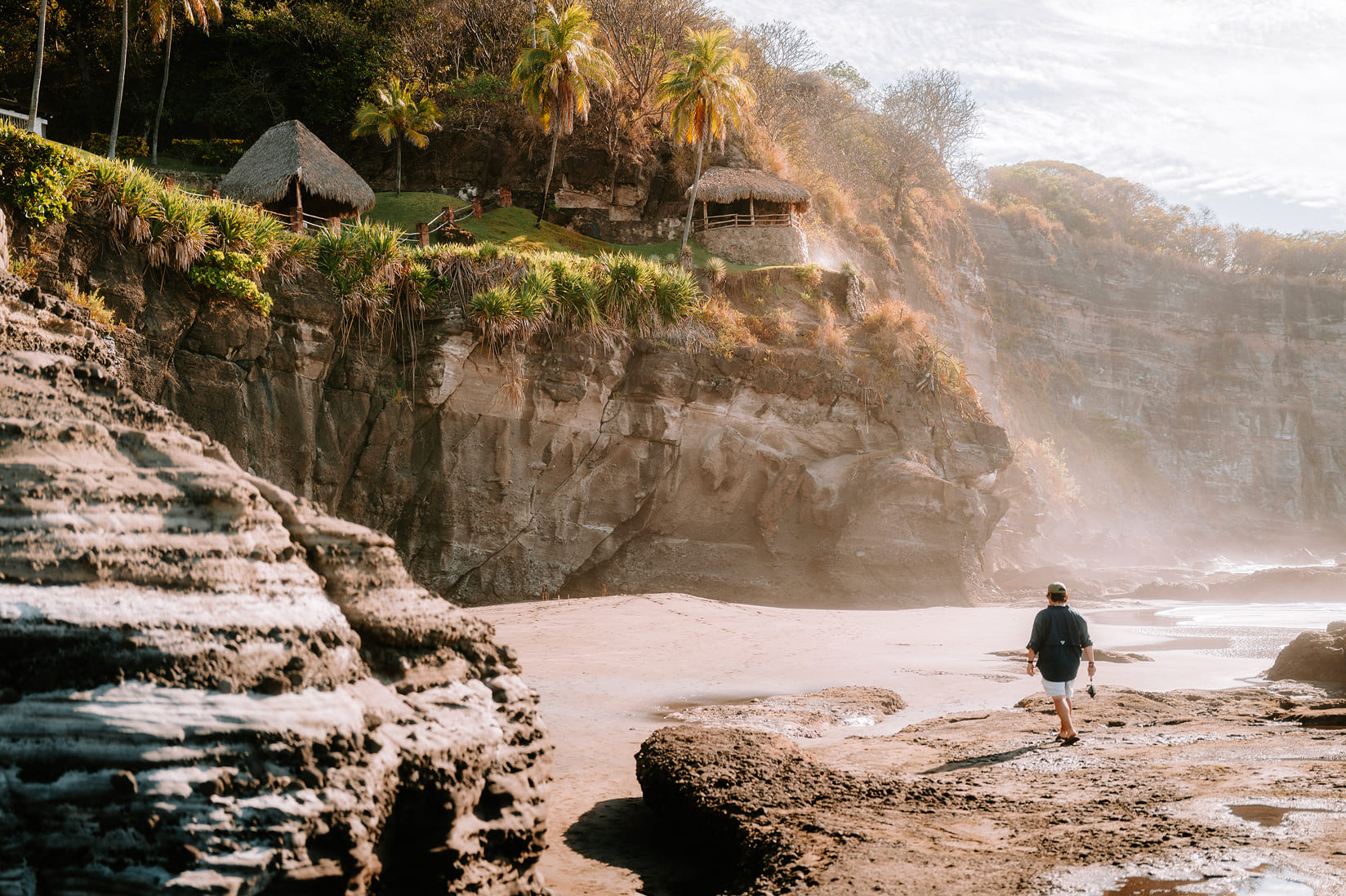
A frequent comment I receive is that my photos really convey the feeling of being there. For those who have been, they evoke nostalgia. For those who haven’t, they transport them. I think this happens because I don’t only seek composition. I seek atmosphere.
What has been the best discovery on this trip?
That places change and people leave.
I have understood the importance of preserving the present—not out of fear, but out of awareness. What seems permanent often is not.
I also discovered that transformation is not always negative. For me, photography is a way to create continuity. It’s a way to say that something or someone was here.
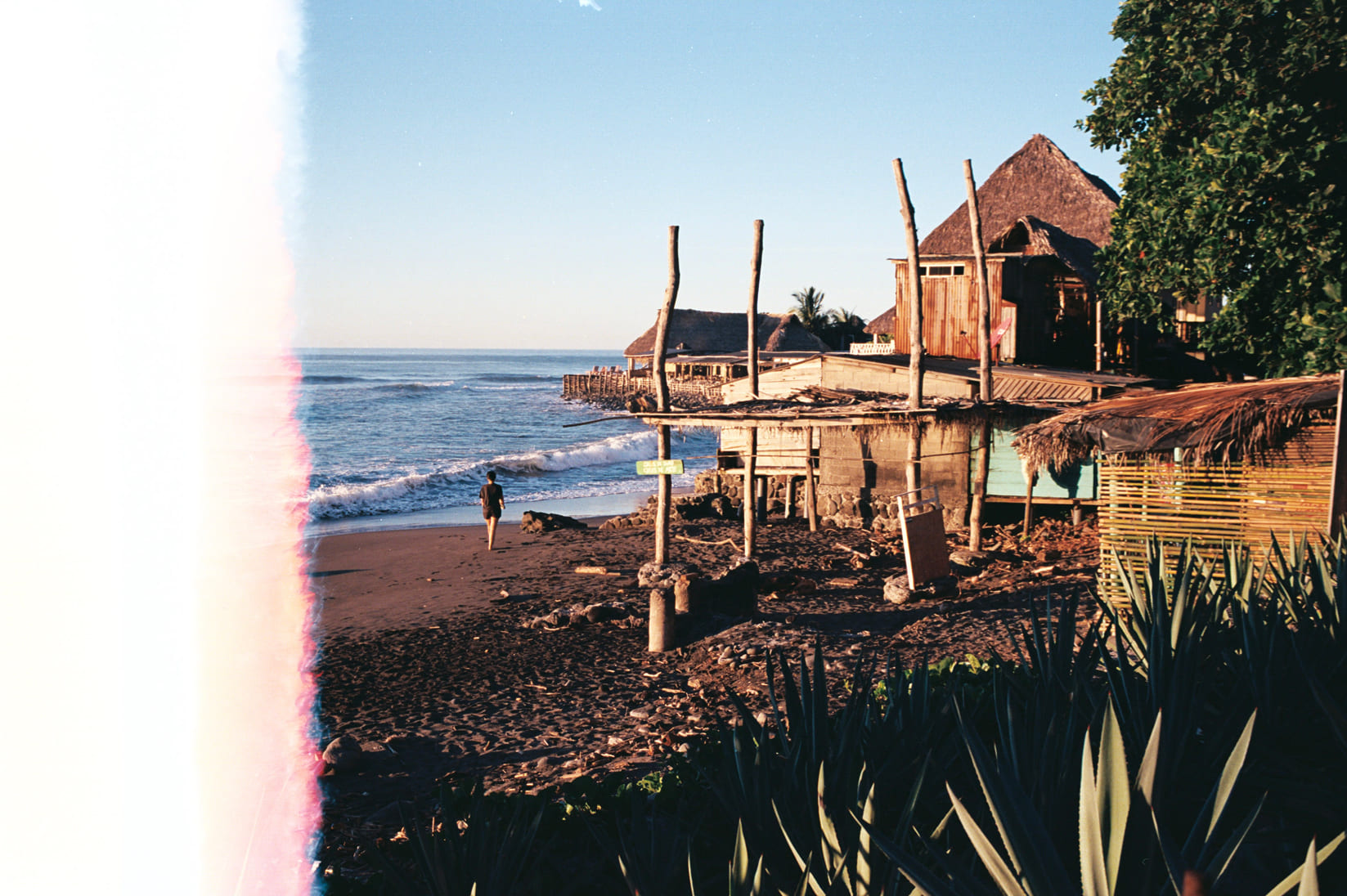
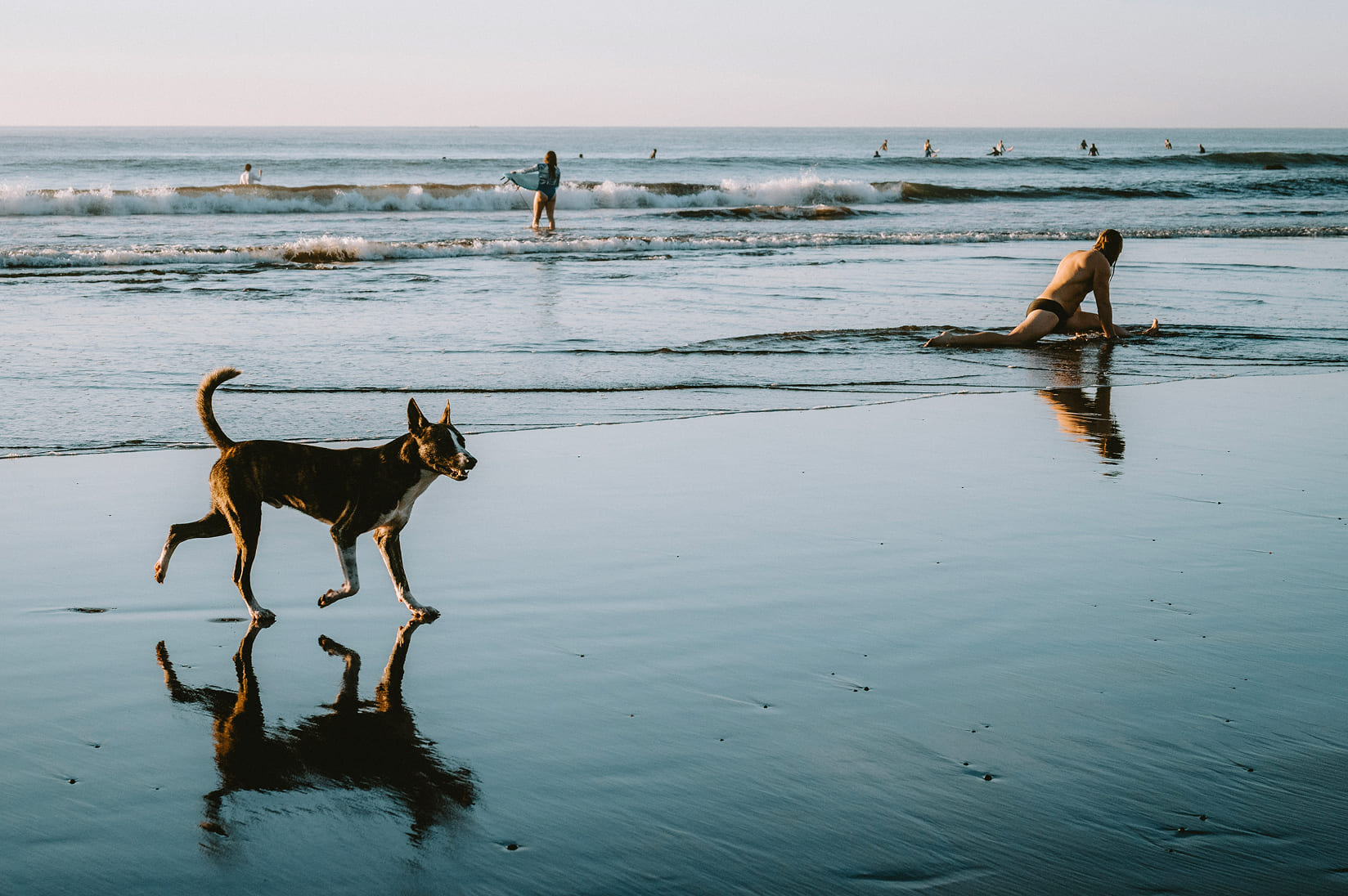
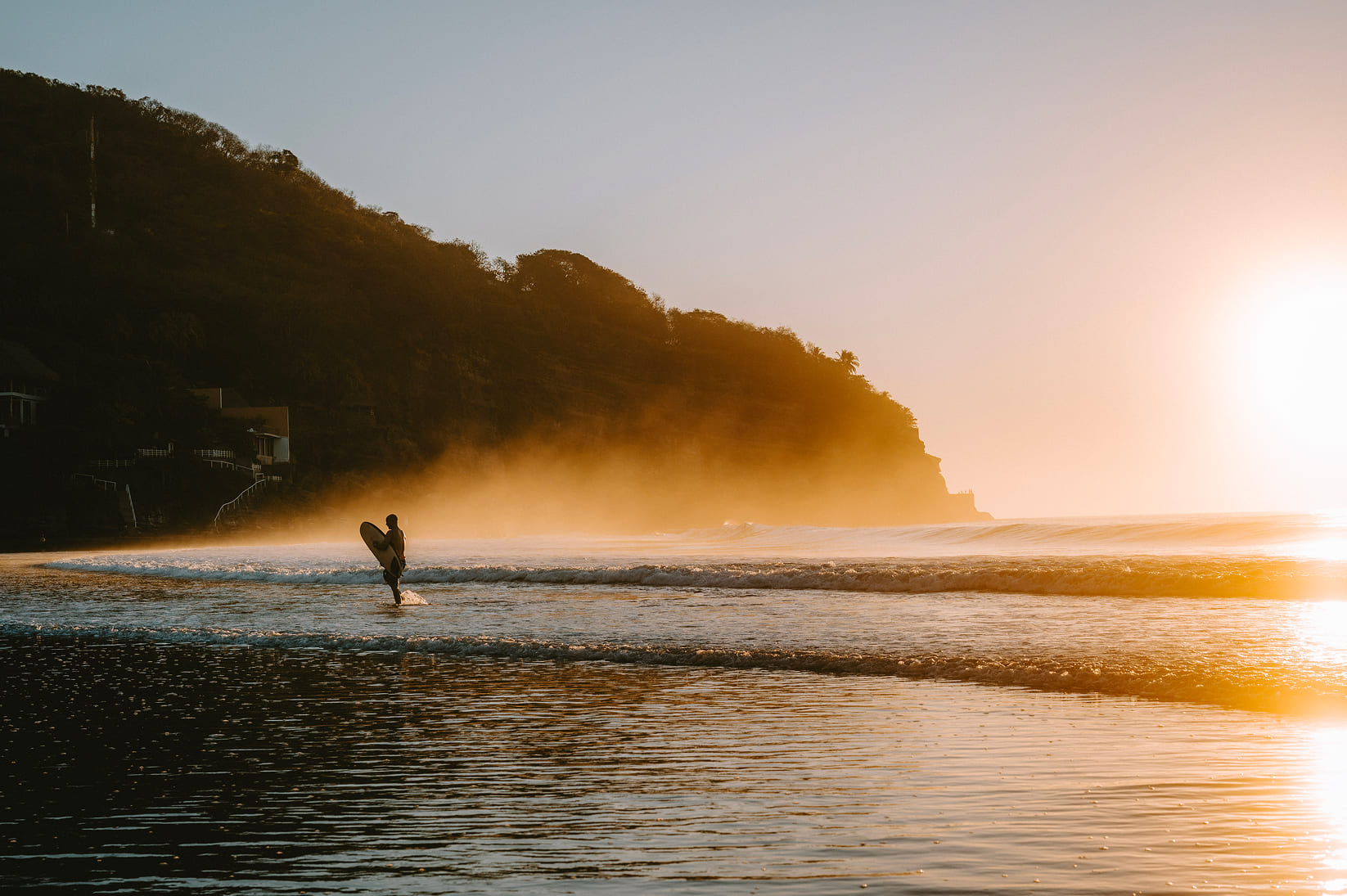
El Zonte is a place that changes at a very fast pace. Every time I visit, there is something new or something that is no longer there. Many locals remain, but the tourists keep changing, so I constantly encounter new characters, and some of them leave their mark on this beach.
If you had to choose your favorite thing about El Salvador, what would it be?
The warmth of our people. Smiling even in adversity.
I have experienced this more since I lost the fear of photographing on the street or asking strangers for permission to capture their portrait. I am amazed at how easily people interact and smile. There is a very strong dignity in the everyday.
What is the most special and unique thing about El Zonte that you haven’t seen anywhere else?
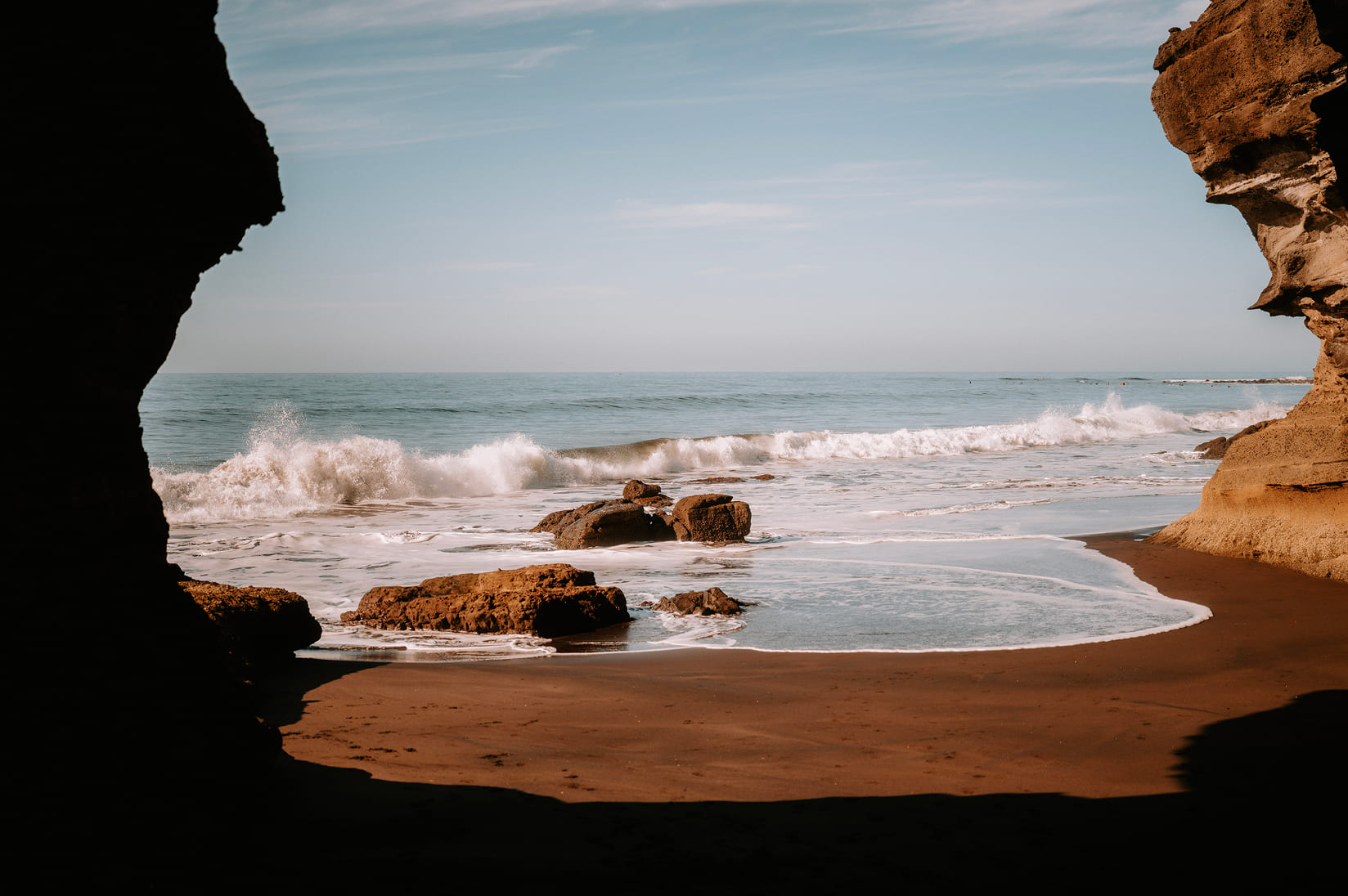
El Zonte is a place of contrasts, like many in the country, but here the contrast is a gradient, not a sharp cut. The touristy and the local do not clash; they blend. Sometimes foreigners act more local than Salvadorans coming from the city.
In El Zonte, I have seen how visitors can help locals appreciate what they have, to see beauty in simplicity. At the same time, I have seen how development can change identity if not handled carefully.
It’s a place in constant transition. And I am interested in documenting that transition because it will have great emotional value in the future.
Is there a Salvadoran word or expression you love?
“Al suave.” It’s a philosophy. It reminds me to enjoy tranquility, to slow down, not to live rushed by external expectations. It reminds me that depth requires time. And that’s exactly what El Zonte conveys to me. It helps me transport myself to that state of mind.
Where to eat in El Zonte?
Pupusería Jeisi for something authentic and unfiltered.
Roka for a more refined experience with local products crafted with technique.
Canegüe achieves an interesting balance. It uses local flavors but allows experimentation. It’s a good reflection of what is happening in El Zonte: tradition conversing with the global.
When traveling to El Zonte, don’t miss…
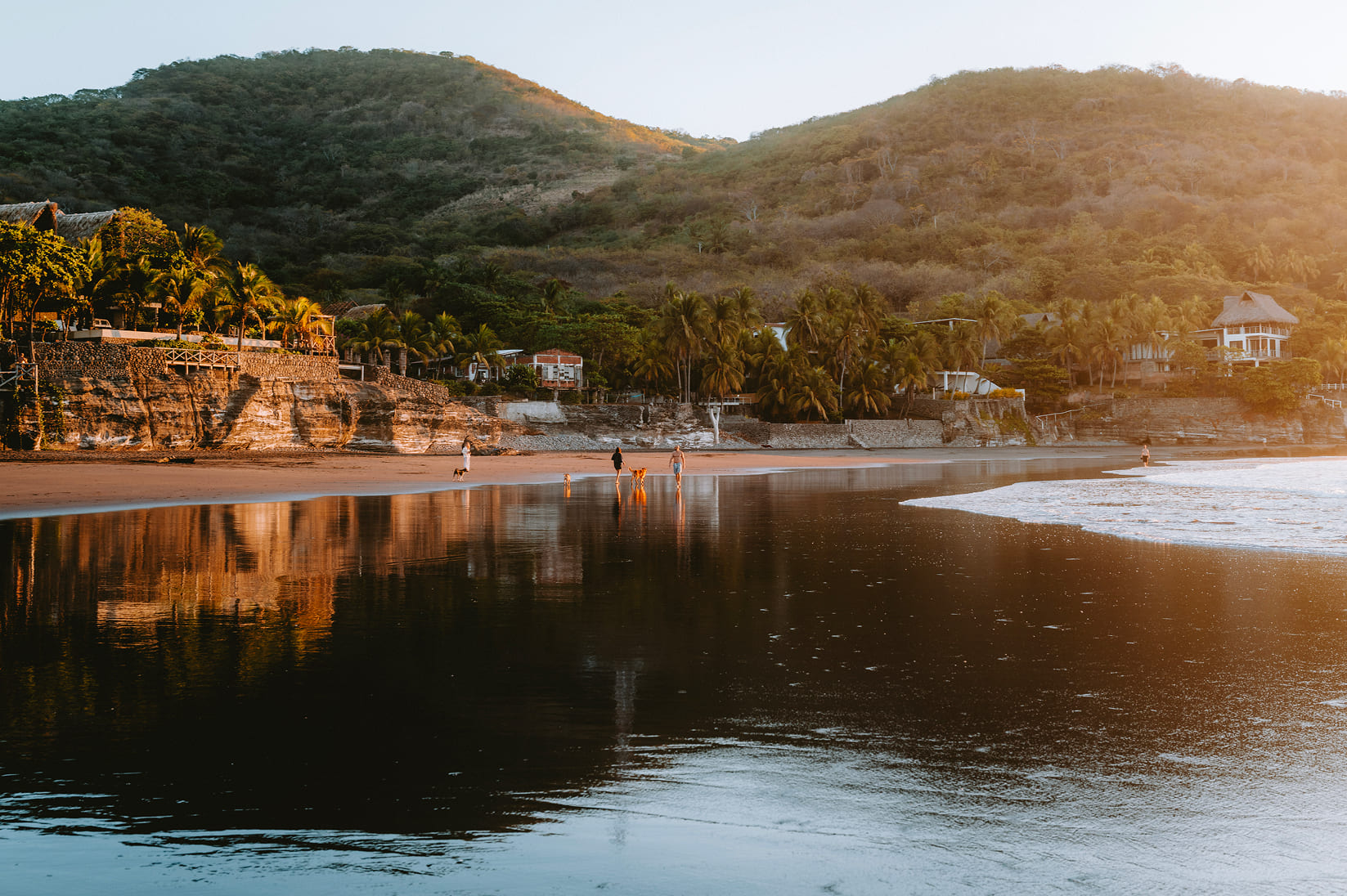
Walking from one end of the beach to the other, crossing the river. On one side there is more surfing, sports, and people playing with their dogs. On the other, there’s more romance, more families, and a wider beach. This walk shows you both sides of the beach in less than an hour, and you witness the mix between locals and foreigners.
What does El Zonte taste like?
It depends on your taste, but for me: fresh ceviche, a cold Regia Chola beer, and freshly opened coconut. A “minuta” in the afternoon heat. It tastes simple but honest.

What shouldn’t you miss before visiting El Zonte?
Time. One night is not enough. To enjoy it, you have to take it easy, live at the slow pace that people there live at.
I usually start the new year in El Zonte. It’s almost a personal ritual. It helps me think, read, write, and set my phone aside. It’s one of the few places where I feel I can truly listen to my own thoughts without the constant noise of social media.
What does beauty mean to you?
A balance between authenticity, permanence through change, and smiling in the face of adversity.
Beauty is not perfection. It’s honesty. It’s finding value in the everyday before someone turns it into a trend.
Beauty inspires you to keep going. It reminds you why it’s worth fighting for and taking care of what you have before it changes.