BEHIND THE LENS

SANTA CRUZ DE LA SIERRA, BOLIVIA BY ALAN STROEBEL

Tell us a bit about yourself and your relationship with Bolivia. What brought you here, and what does this place mean to you?

I was born in Salta in 1979, after my parents emigrated from Beni to Argentina. When I was 3 years old, we returned to Santa Cruz de la Sierra, where I grew up, was educated, and have spent a large part of my life.

My relationship with Santa Cruz is deeply personal: I have experienced very bright moments here, as well as very difficult ones, which in some way have shaped the way I see the world. Over time, that relationship has turned into a very deep affection for the city.

From your perspective and through your images, what draws you to a city?

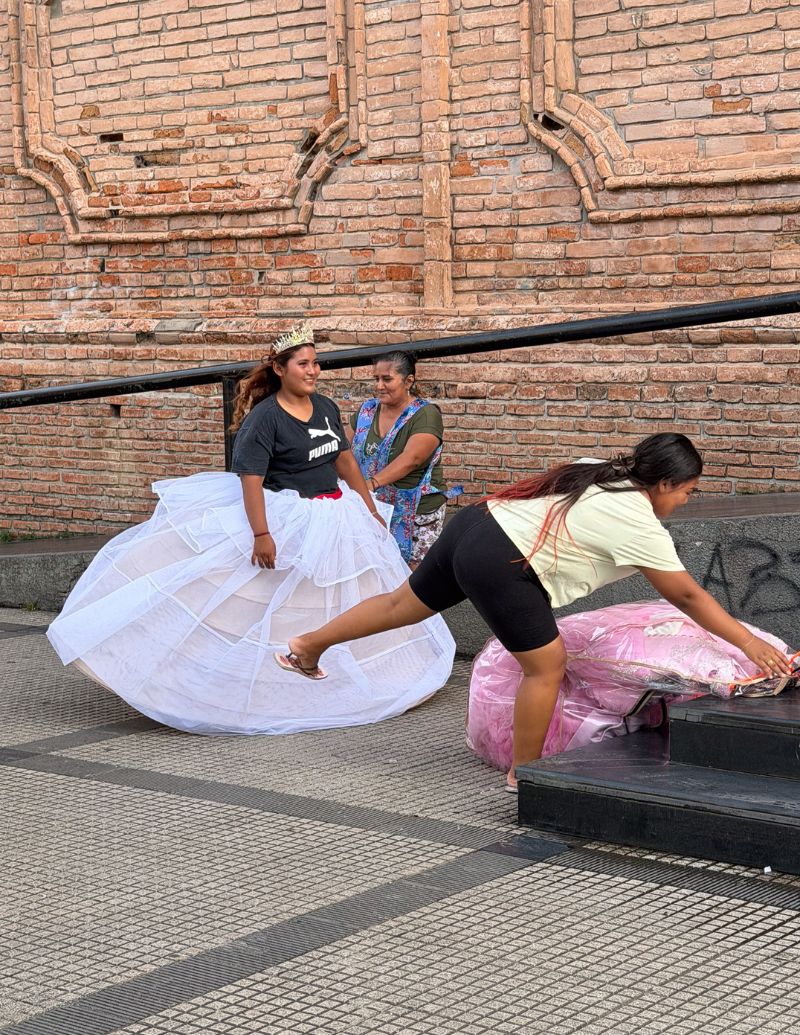
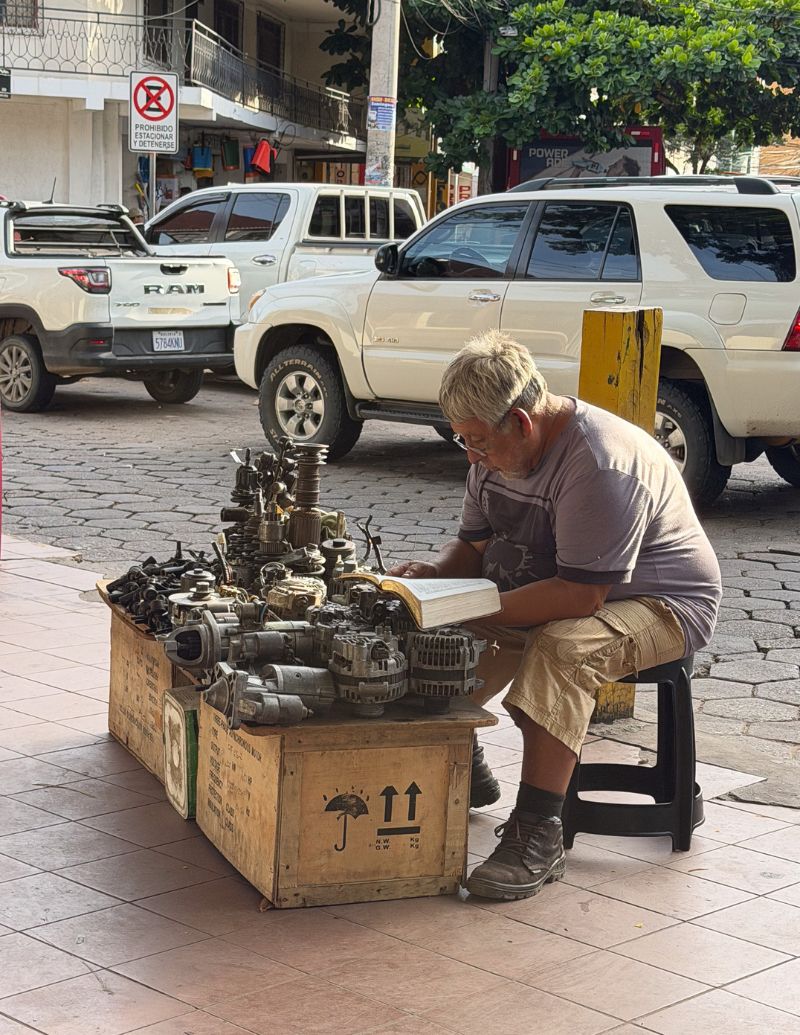
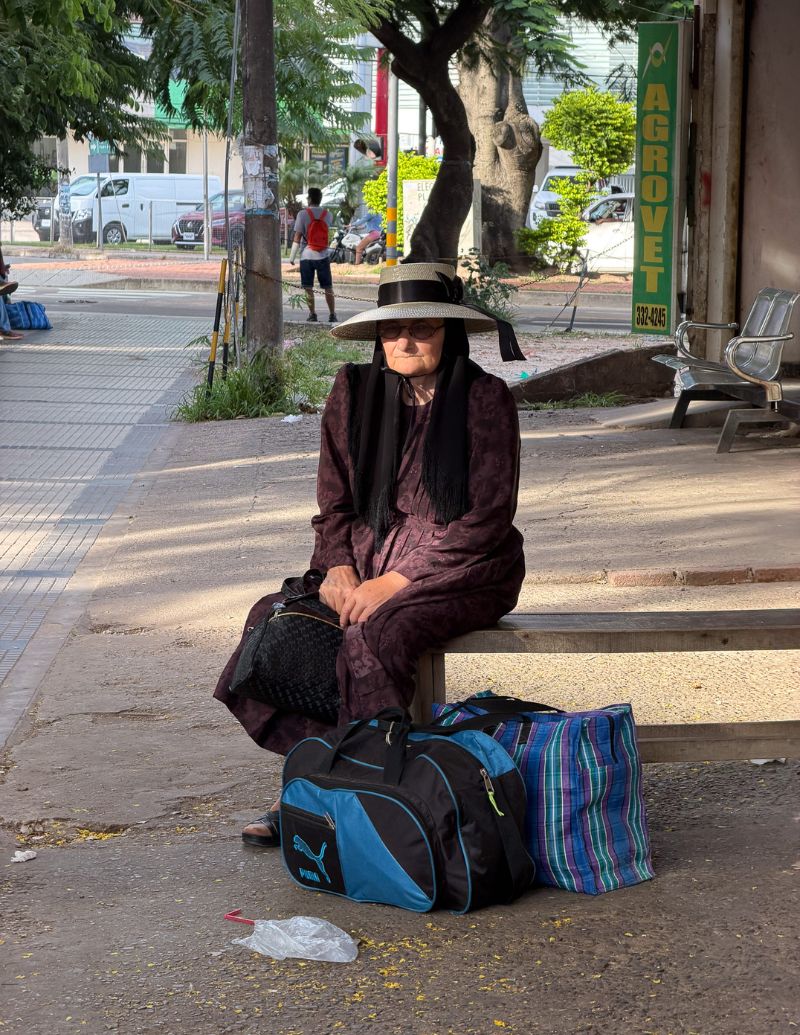
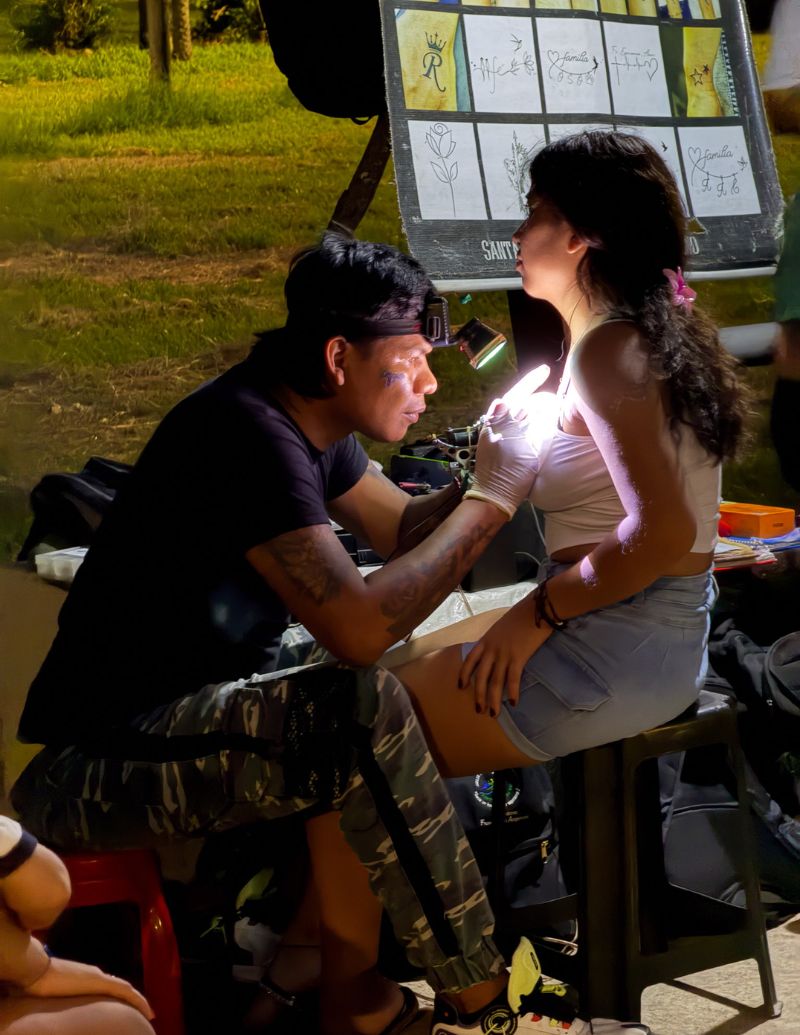
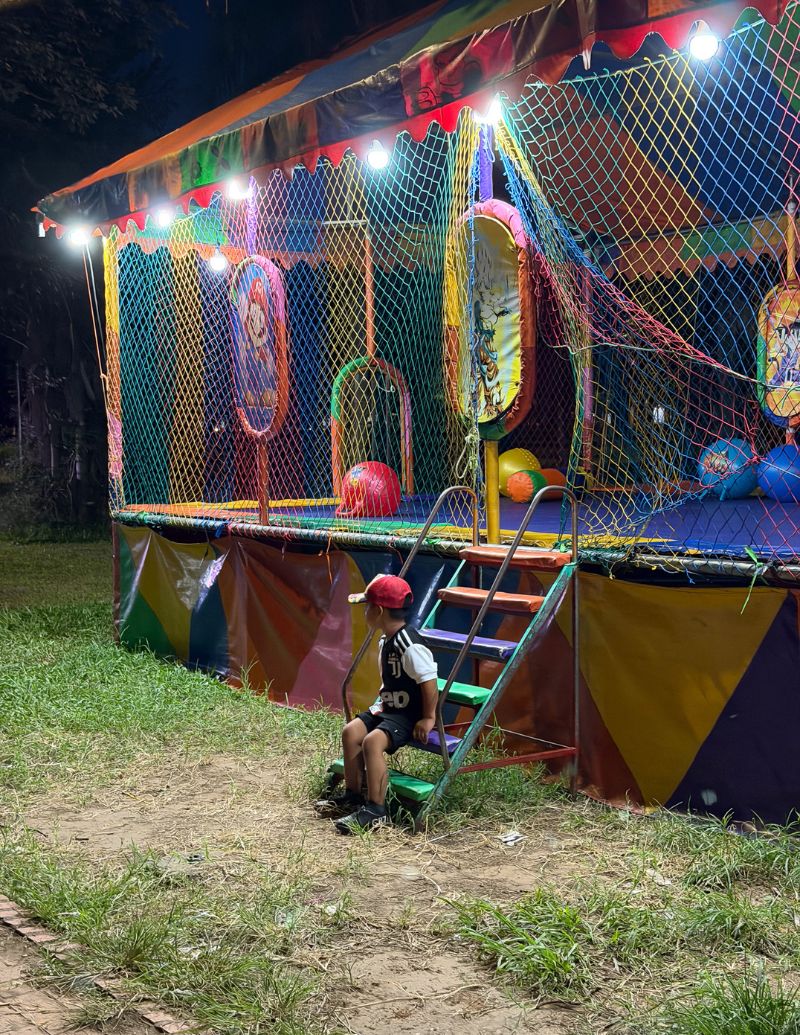
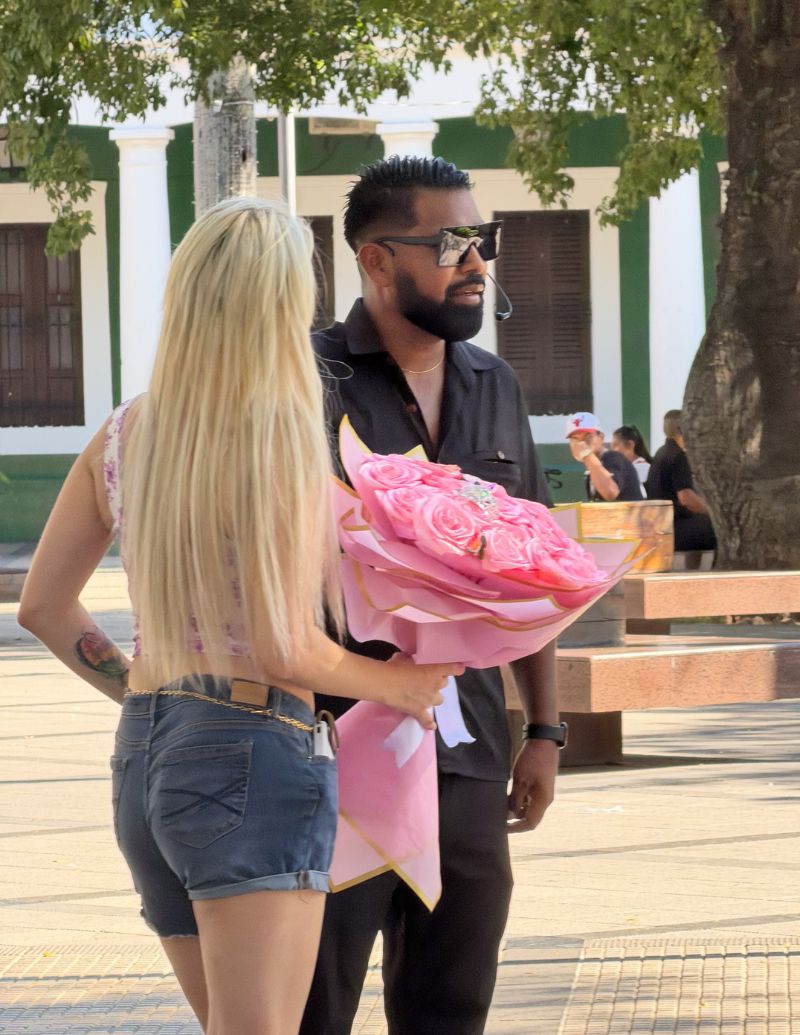
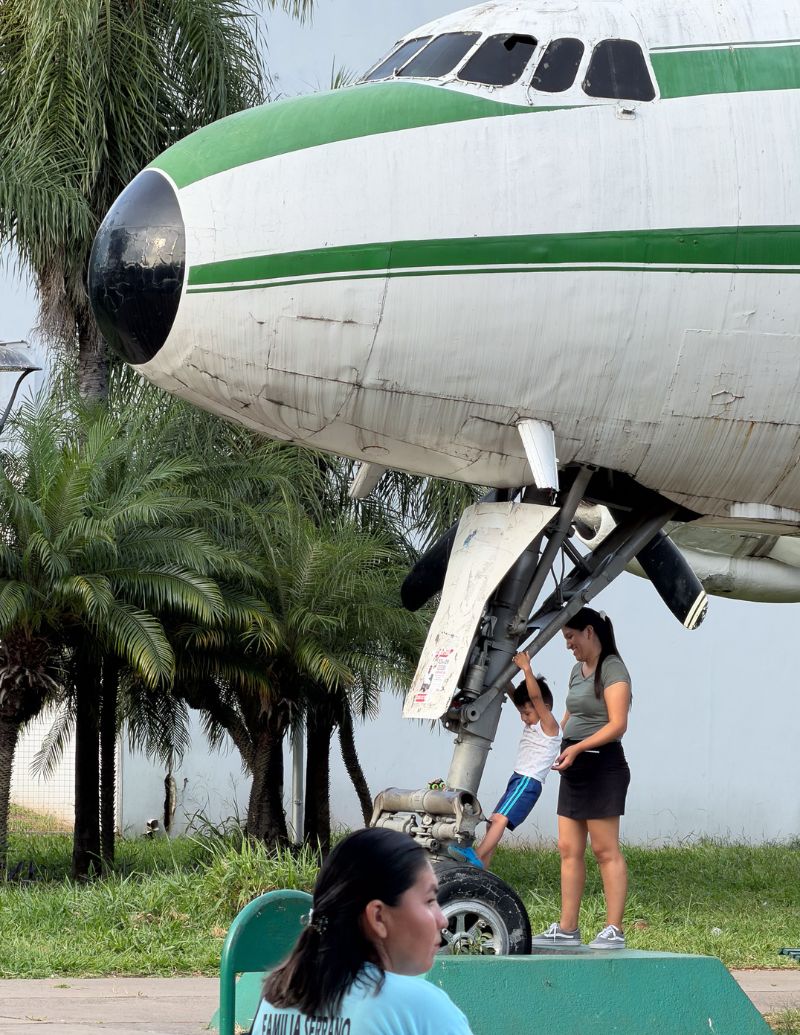
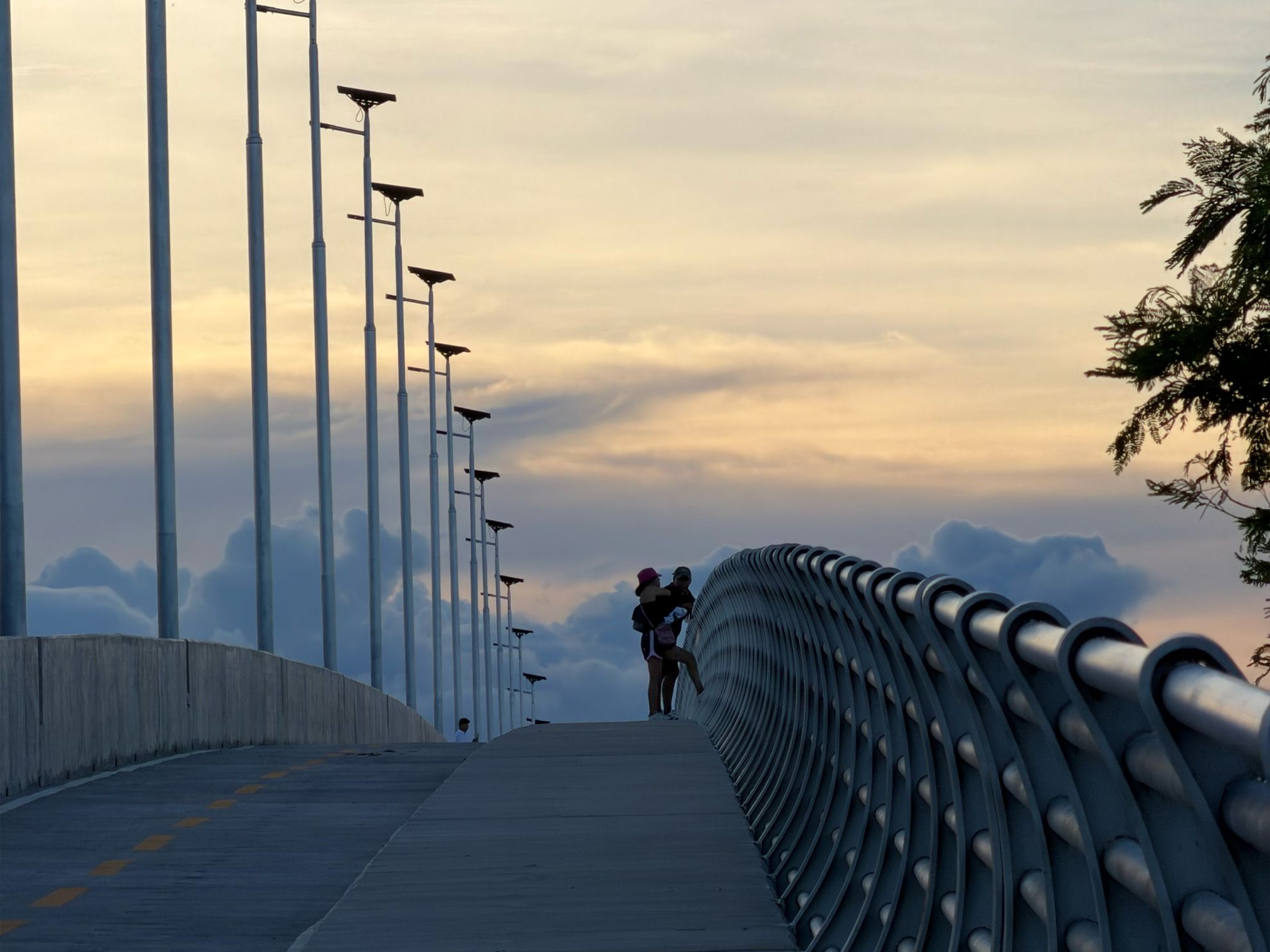
I’m deeply curious about human relationships and how they connect to their surroundings. I’m drawn to intimate moments, spontaneity, and the small stories that quietly unfold in everyday life.

What has been the best discovery on this journey?

That there is an immense dignity in life on the streets.

If you had to choose your favorite thing about Bolivia, what would it be?
Its remarkable biodiversity and the way that natural richness coexists with everyday life in its cities and communities.

What is the most special thing about Santa Cruz de la Sierra that you haven’t seen anywhere else?
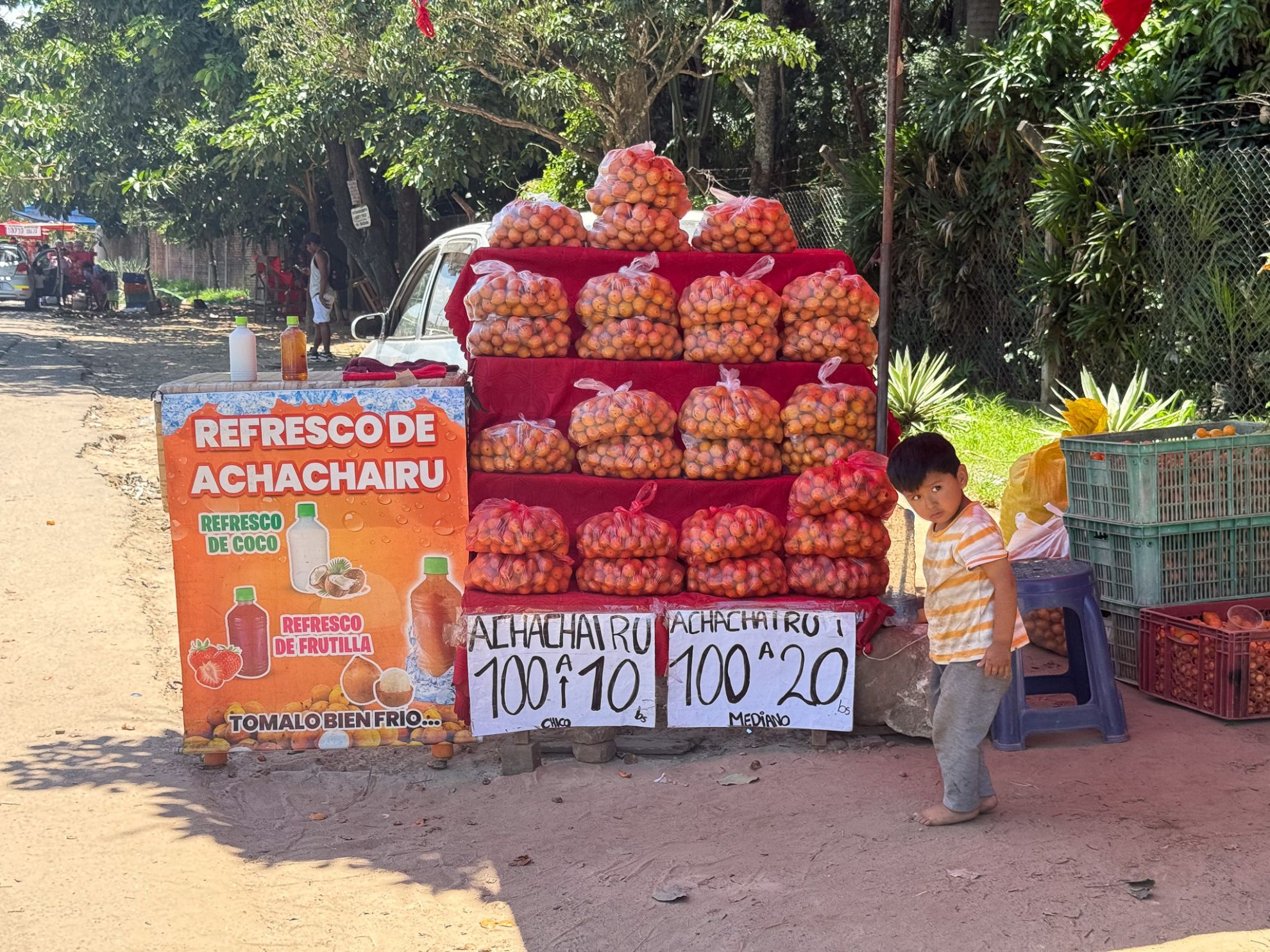
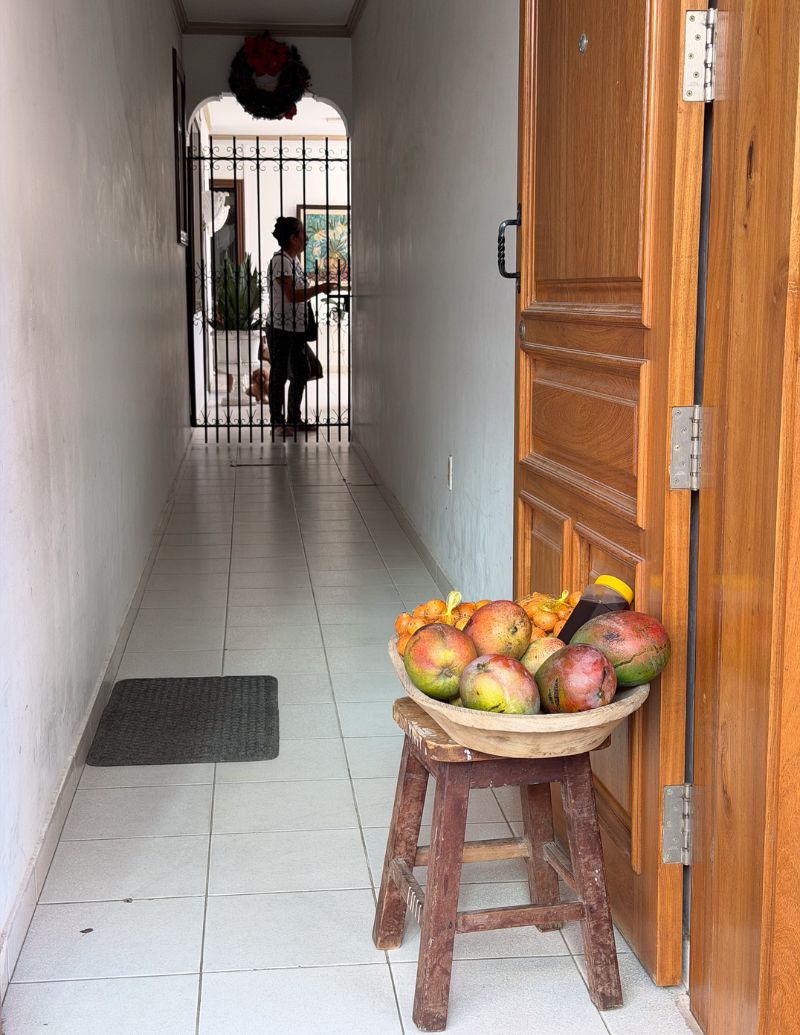
The achachairú fruit.

Is there a Bolivian word or expression you love?

Jichi”: someone who is very skilled, an expert, or a natural at something. For example, “That guy is a jichi when it comes to cooking.” It is also a mythical being believed to protect water.

Where to eat in Santa Cruz de la Sierra?

El Horno Caliente for traditional baked goods, Don Celso for the best keperí, and Los Castores for salteñas.

When you travel to Santa Cruz de la Sierra, you can’t miss…

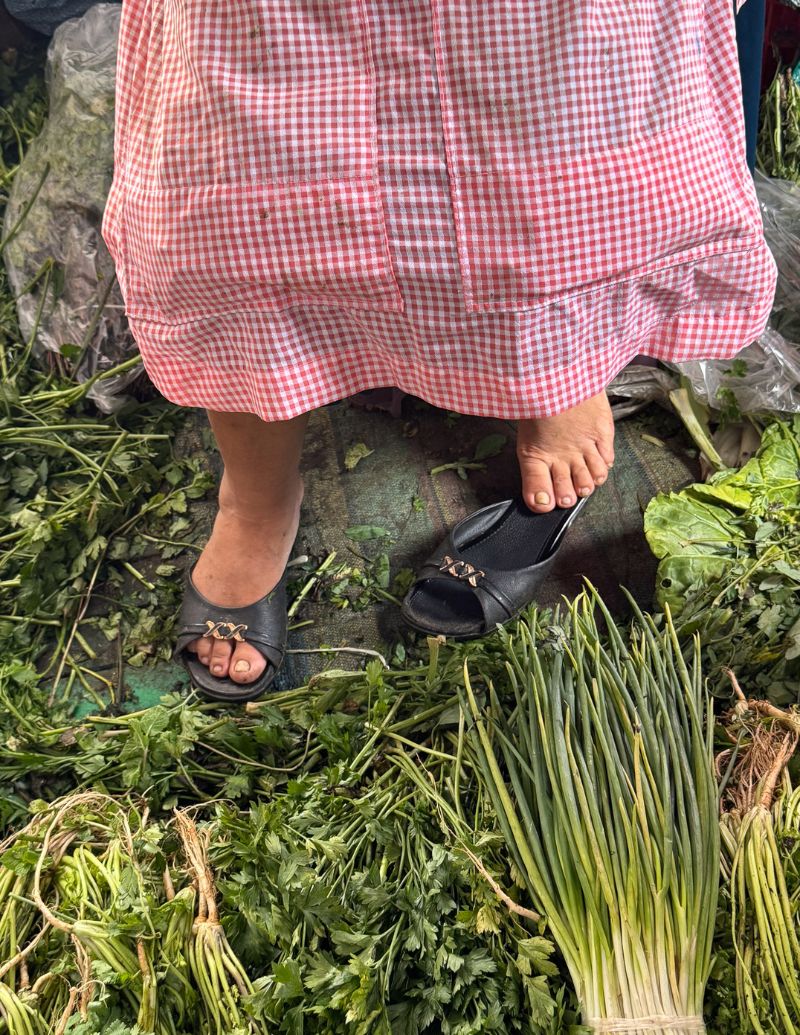
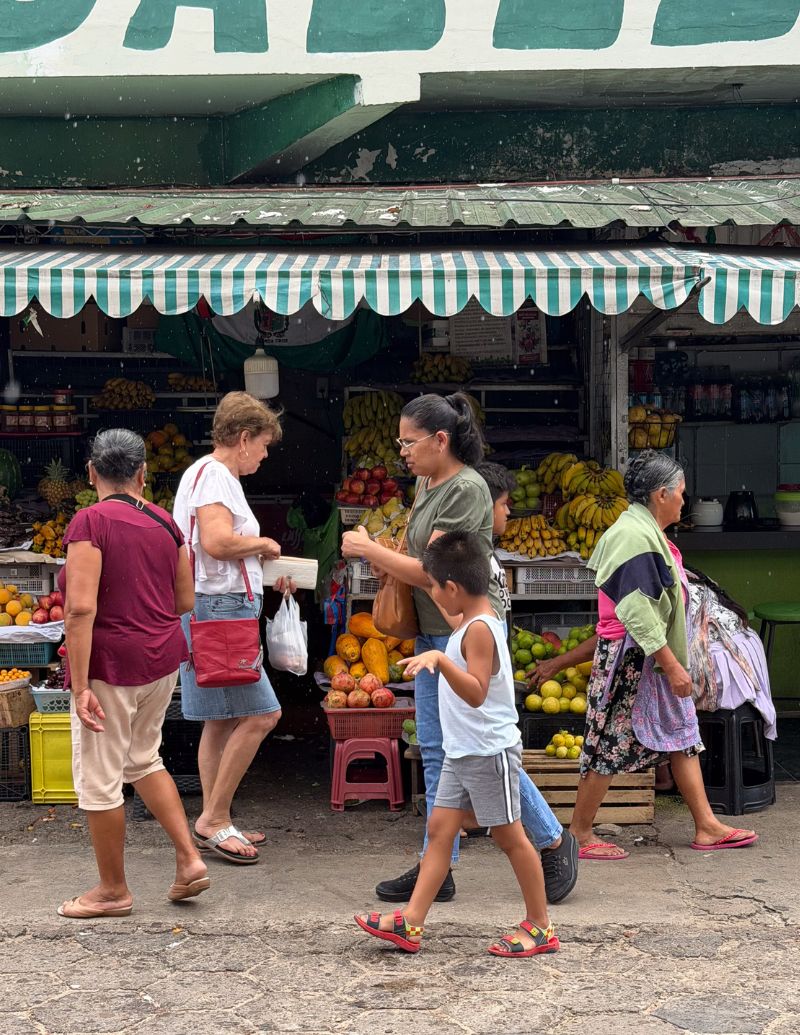
Walking through the historic center and its markets.

What does Santa Cruz de la Sierra smell like?

Like tropical humidity.

What’s the best place to watch the sunset?

From any terrace.

What does Santa Cruz de la Sierra taste like?

Like masaco made with ripe plantain.

What shouldn’t you forget before visiting Santa Cruz de la Sierra?

Santa Cruz is warm almost all year round, so it’s best to bring light, comfortable clothing—even if you’re visiting in winter.

If Santa Cruz de la Sierra had a soundtrack, what would it be?

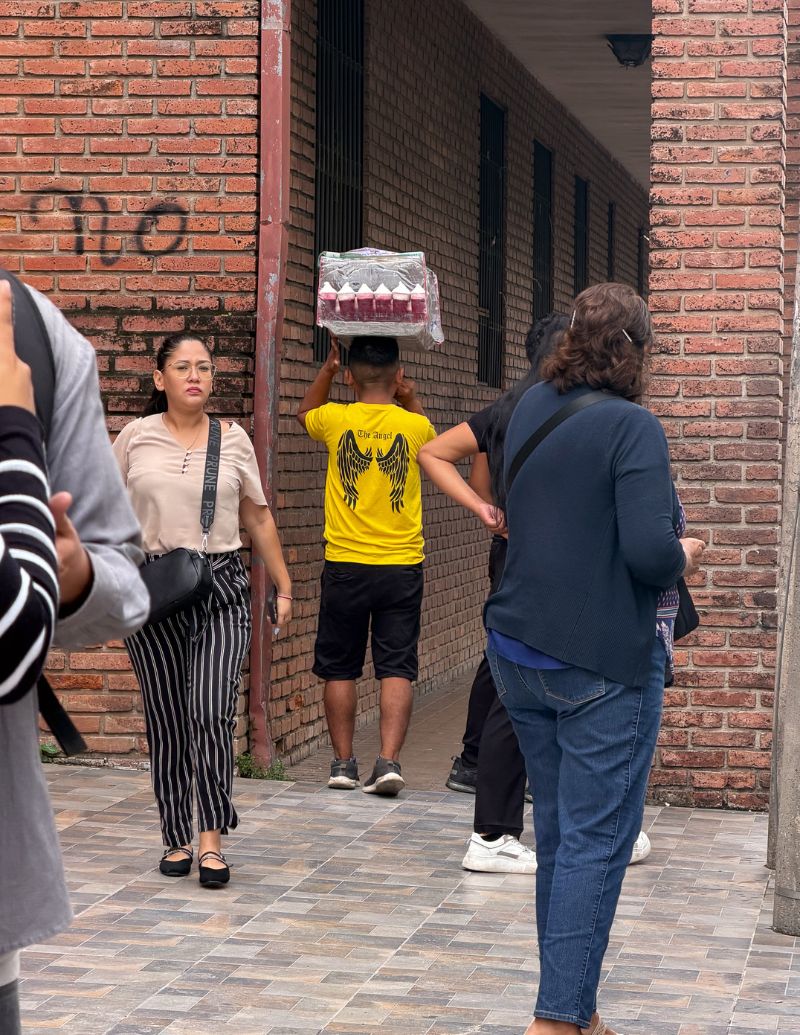
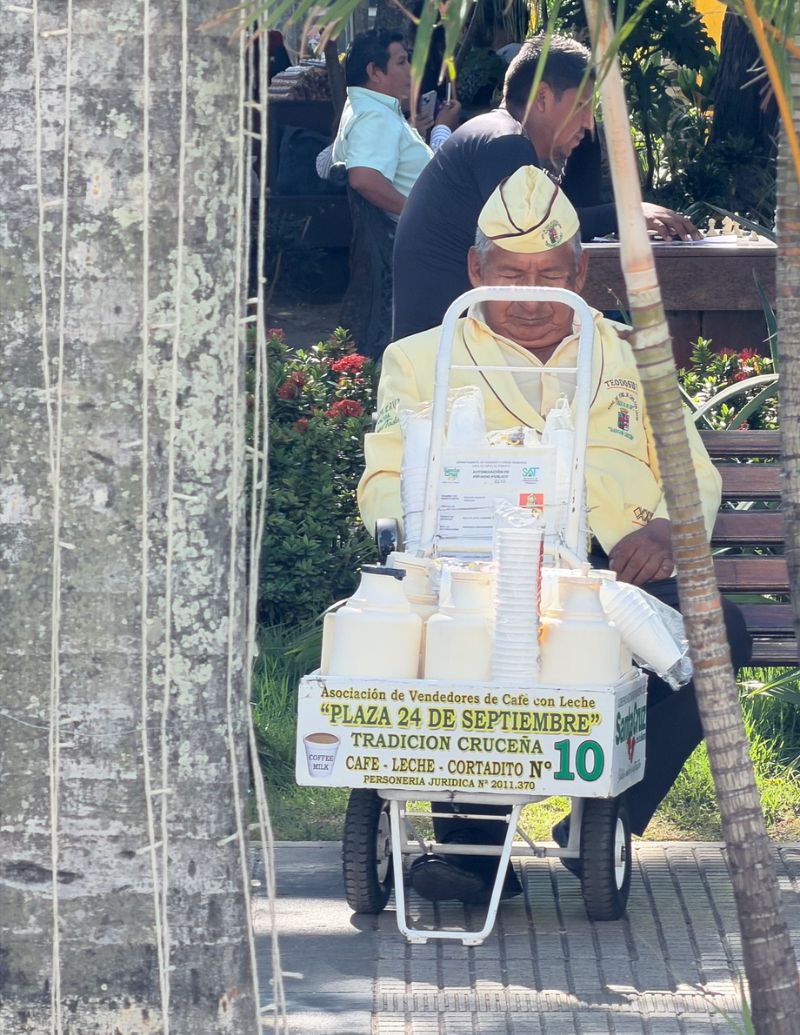
“Somó señora somóóó,” the call of street vendors.

What does beauty mean to you?

It’s something that makes me feel and think at the same time, in a gentle, almost silent way.