COFFEE WITH

GIULIA BE: “RIO TEACHES YOU THAT JOY ISN’T ABOUT PERFECTION.”

Name: Giulia Be
Profession: Singer
Nationality: Brazilian
Instagram: @giulia

LATINNESS: You’re revisiting a pop classic with “Girls Just Wanna.” What does reclaiming a generational anthem mean in 2026, through your lens?

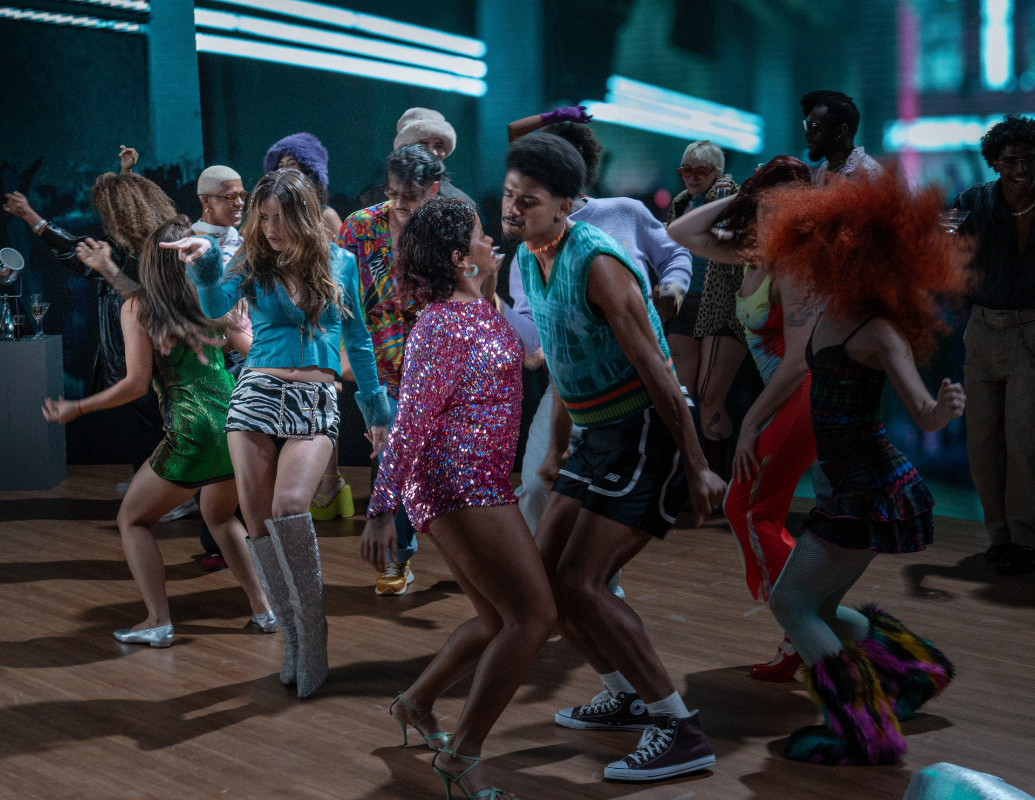
I don’t think I’m reclaiming it as much as I’m recontextualizing it. When that song first existed, “having fun” almost felt like something women had to justify, like a rebellion. In 2026, it feels more existential than that. It’s not just about having fun, it’s about needing to escape a reality that constantly tries to shape us into something harder, faster, more productive. So when I say “girls just wanna escape reality,” it’s not about avoidance, it’s about preservation. It’s about protecting your light in a world that benefits from dimming it. Escape becomes a choice. Softness becomes a choice. Imagination becomes a form of survival. My version isn’t only ironic, it’s intentional. Sometimes, escaping reality is the only way to come back to it as yourself.

LATINNESS: What does “having fun” mean to you at 26?

It means feeling safe enough to be fully present. When I was younger, fun was louder, more external, more about proving something. Now it’s quieter. It’s being with people I love, laughing in a way that isn’t performative, not thinking about how something looks or translates online. It’s also about letting go of control a little bit. I think real fun only happens when you’re not trying to curate the moment.

LATINNESS: Growing up in Rio, what cultural elements shaped you most — music, spirituality, beach culture, family?

All of it, but in ways that are very intertwined. music was always present in my house, but so was this sense of emotional openness. Brazilian culture allows you to feel things fully, there’s less repression. At the same time, Rio has this underlying spirituality that doesn’t need to be labeled. You grow up surrounded by nature, by rhythm, by contrast. It teaches you that life is layered, that joy and struggle exist in the same space, and that definitely shaped how I write and how I see the world.

LATINNESS: How does Rio influence your understanding of joy — especially in a song like “Girls Just Wanna”?

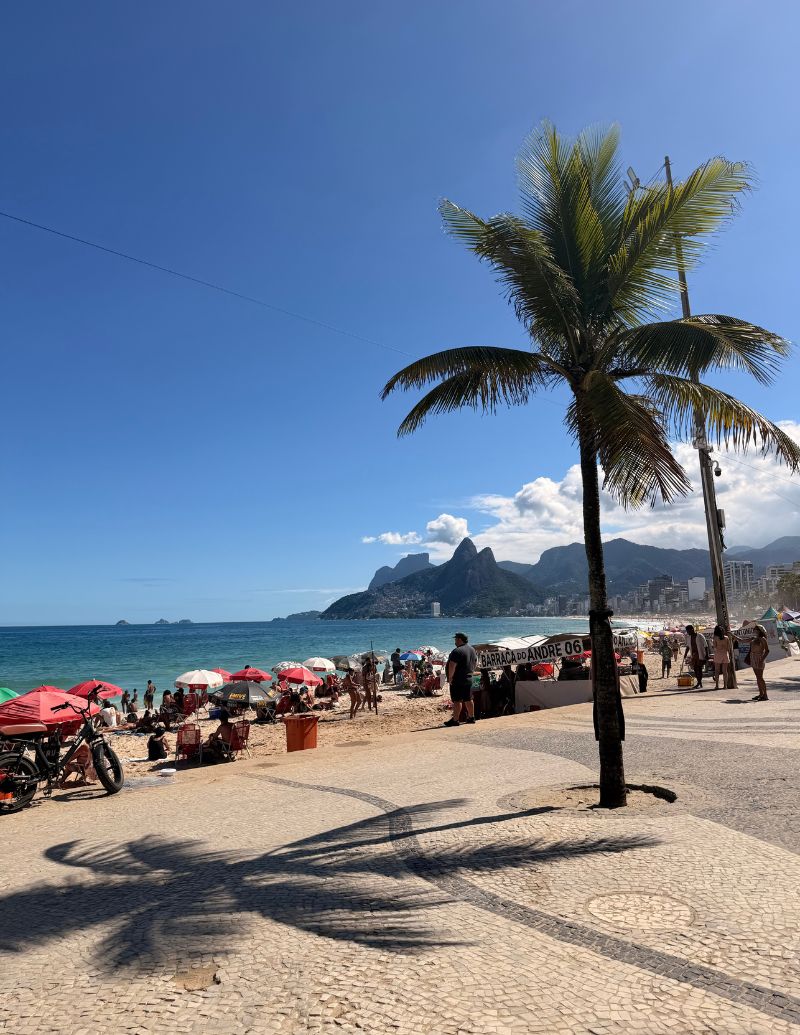
Rio teaches you that joy isn’t about perfection. It’s about intensity, presence, connection. You can have a chaotic day, but then watch the sunset at Arpoador and feel completely alive again. There’s something very emotional about that flow, and I think that’s part of the philosophy and energy I bring into the song. It’s not this polished, superficial happiness, it’s something more raw and human, it’s about letting go. 

LATINNESS: Brazilian femininity carries a particular confidence and sensuality. Can you identify with this?

Completely. There’s a softness and a strength at the same time. A kind of confidence that doesn’t need to announce itself but you feel it. I think what’s interesting is that it’s not just about sensuality, it’s about ownership. Brazilian women are taught, consciously or not, to exist in their bodies without apology. There’s a naturalness to it. For me, that translates into how I move through the world creatively too. It’s not about fitting into an idea of femininity, it’s about defining it for yourself.

LATINNESS: You’re releasing music in Portuguese, Spanish, and English on GIULIA BE — does switching languages ever change your personality?

A hundred percent. Each language unlocks a different emotional frequency in me. Portuguese is where I’m most vulnerable and nostalgic, it feels like home and childhood. Spanish brings out something more dramatic and romantic, almost cinematic. And English feels more structured, more direct, sometimes even more introspective. I don’t feel like I’m changing who I am, but I am accessing different parts of myself depending on the language. I feel like anyone who speaks more than one can resonate with this paradox: you’re the same person, but you don’t feel exactly the same in each one.

LATINNESS: Was there a single moment in your career when you realized your life was about to change?

It wasn’t one big cinematic moment, it was more gradual. But I remember hearing my song on the radio for the first time and feeling this strange disconnect, like my internal world was suddenly existing outside of me. That was the first time it felt real, like something had shifted permanently. My first tour was a big highlight as well. I was opening for Niall Horan and got to meet him after, and as a former directioner, I remember feeling a huge sense of accomplishment, since teenage me would have never believed that a few years before! 

LATINNESS: You were nominated for a Latin GRAMMY at 21. Did that moment feel validating or pressurizing?

Both. It made me feel seen, but it also made me aware that people were watching. You learn quickly how to separate your worth from recognition. The most special part about being nominated for a grammy is getting to meet the community surrounding the academy, they’re all incredibly talented musicians that really embrace new members, and I’ve felt held by their support ever since.

LATINNESS: How did it shift your perspective?

It shifted my perspective in a very grounding way. I felt incredibly grateful to even be in that space, surrounded by people I admire, and it reminded me how early I still was in my journey. It made me realize that it’s not about arriving somewhere, it’s about continuing to grow.

It also shifted my focus. I became less attached to outcomes and more connected to the process, to learning, listening, and evolving. It made me more curious, more open, and more aware of how much there still is to understand, not just about music, but about myself. More than anything, it made me want to become a better artist, worthy of standing next to the greats.

LATINNESS: You’ve amassed over a billion streams. How do you protect sensitivity and stay grounded in a hyper-visible world?

It begins and ends with gratitude. The only reason I get to live this life is because people care about the music and are interested in what I do, so I never take that for granted. That support is what allows me to keep creating. At the same time, I’ve learned to be intentional about what I share. Not everything needs to be public, and protecting certain parts of my life helps me stay connected to who I am outside of work. I try to keep a real, quiet life alongside everything else, my relationships, my routines, the moments that aren’t being seen or documented. Those are the things that keep me grounded and remind me why I started in the first place.

LATINNESS: Let’s tour your city — favorite beach, favorite restaurant, best sunset spot?

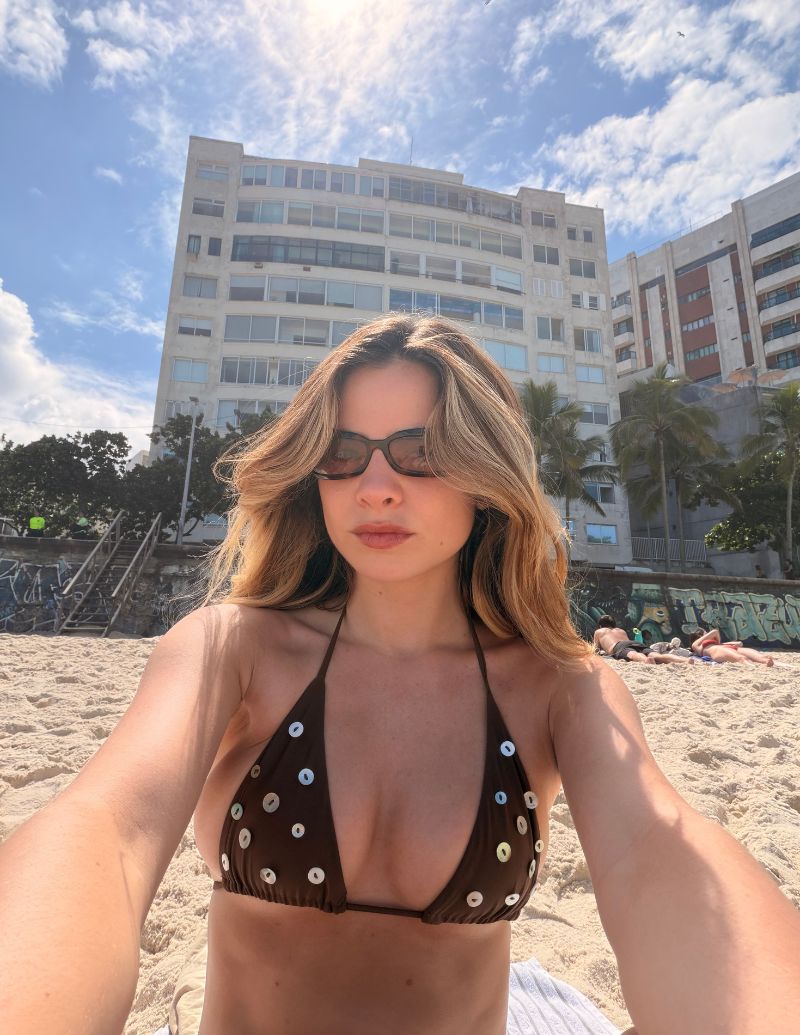
Let’s do it. My favorite beach has to be São Conrado, or “sanca” as we cariocas call it. It’s a little more quiet, more local, and I have so many memories tied to that place. There’s something really special about the energy there, it feels more intimate, like a version of Rio that’s a bit more personal.

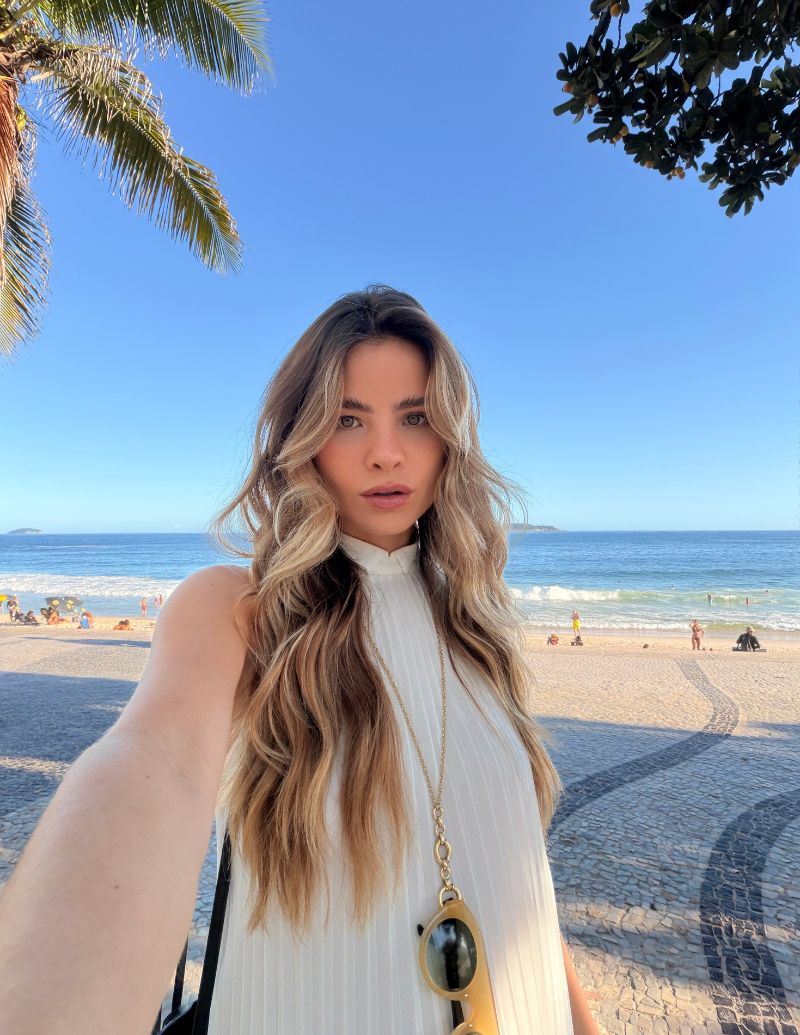
For sunset, it has to be Arpoador. There’s nothing like it. Everyone gathers on the rocks, and when the sun finally disappears, people actually clap. It’s such a simple moment, but it feels very emotional, very collective. There is always music playing in its surroundings, so it feels like a 24/7 celebration spot year round. 

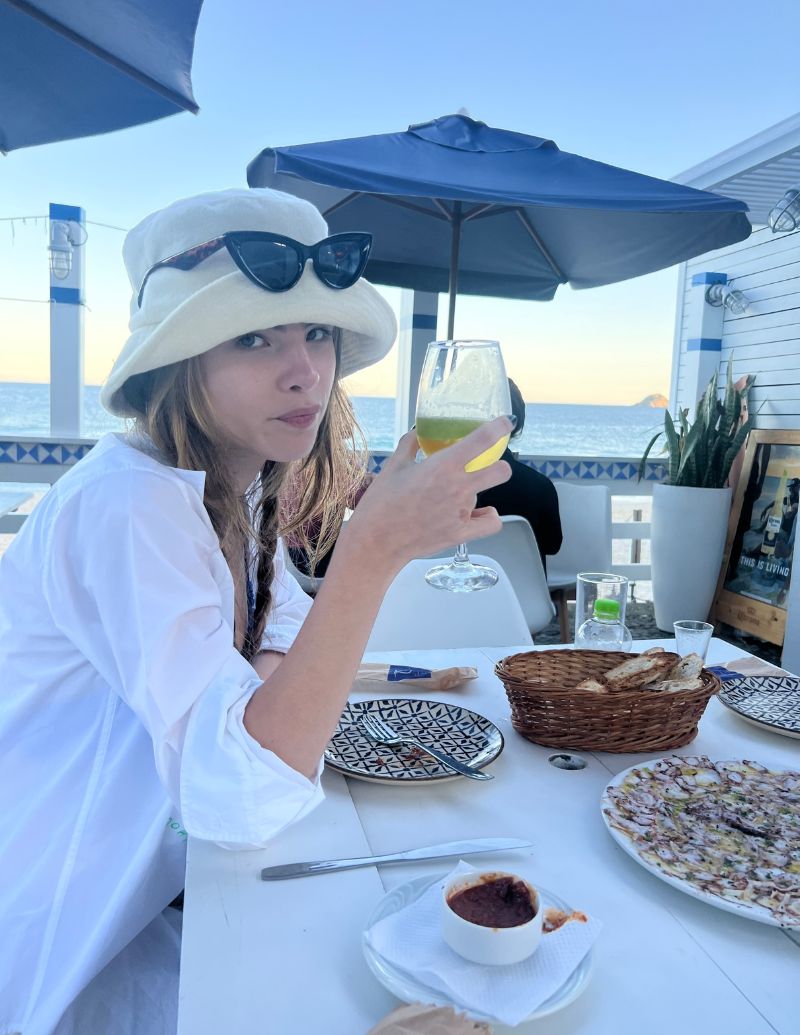
And my favorite restaurant is Braseiro da Gávea. it’s one of those classic, no-fuss places that just gets everything right. I always order the broccoli rice with farofa and meat. It’s simple, but hits the spot every time.

LATINNESS: Where in Rio do you go when you want to truly let loose?

Honestly, it’s rarely about a specific place. For me, it’s more about the people. The moments where I feel the most free are usually at house parties with close friends, somewhere intimate where no one is performing for anyone. Rio has incredible nightlife, but the real magic is in those unplanned nights that stretch into the morning, where you lose track of time a little bit.

LATINNESS: Is there a hidden gem in the city tourists don’t know about?

I’d say the jardim botânico. it’s not exactly “hidden,” but it still feels like a secret when you’re there, definitely underrated. It’s one of the most peaceful places in the city, surrounded by nature, with these long paths and imperial palms that make everything feel very still and cinematic. Rio can be very intense, and that’s one of the few places where you can slow down and feel completely grounded without leaving the city.

LATINNESS: Any Brazilian brands you love that we should check out on our next trip?

I love Misci, I think they’re doing something really special in terms of representing Brazil in a more conceptual and intentional way. There’s a strong sense of identity in everything they create, it feels very thoughtful and very now. I also love Cinco, it’s my friend Valentinna’s brand, and it has this really cool, effortless energy. It feels very personal and very connected to a certain kind of modern Brazilian aesthetic. And then there’s the staples: Farm Rio and Osklen, which for me represent two very different but equally important sides of Brazil. 

Farm is all about joy, color, and storytelling. Their prints are so tied to nature and Brazilian culture, it almost feels like wearable art, like you’re carrying a piece of Rio with you wherever you go. Osklen, on the other hand, is much more understated. It’s minimal, effortless, and very rooted in this idea of conscious living. There’s a strong focus on sustainability and materials, but it never feels forced, it just feels natural, like a quieter, more refined expression of the same city. Together, they kind of show the duality of Rio, the vibrant, expressive side and the calm, grounded one. Salinas and Triya are also amazing for bikinis! 

LATINNESS: What would you tell young Latin creatives who dream of pursuing music but don’t know where to start?

Start before you feel ready. I think a lot of people wait for the perfect moment, the perfect structure, the perfect validation, and that moment rarely comes. You build clarity by doing, not by waiting. Also, don’t underestimate your perspective. coming from latin culture is not a limitation, it’s a strength. The way we feel, the way we express emotion, the way we tell stories, it’s something the world connects to very deeply. And most importantly, have courage. People will talk whether you get it right or wrong, so you might as well go for it. I really believe courage is one of the most important skills in bringing any dream to life.