COFFEE WITH
ANA ELENA GARUZ: “I WANT TO SLOW DOWN THIS FAST FLOW OF VISUAL CONSUMPTION AND TURN IT INTO OBSERVATION.”
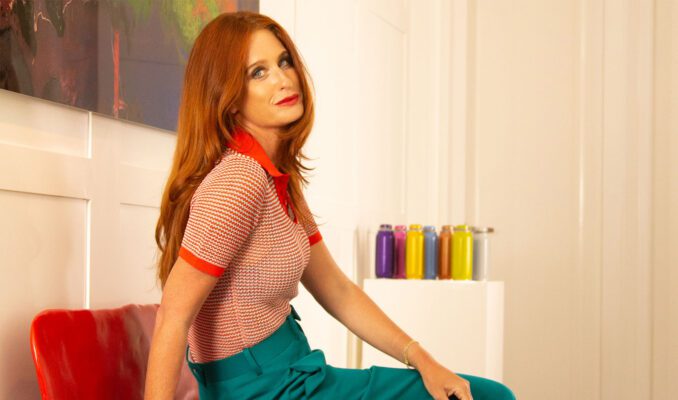
Name: Ana Elena Garuz
Profession: Artist
Nationality: Panamanian
Instagram: @anaelenagaruz
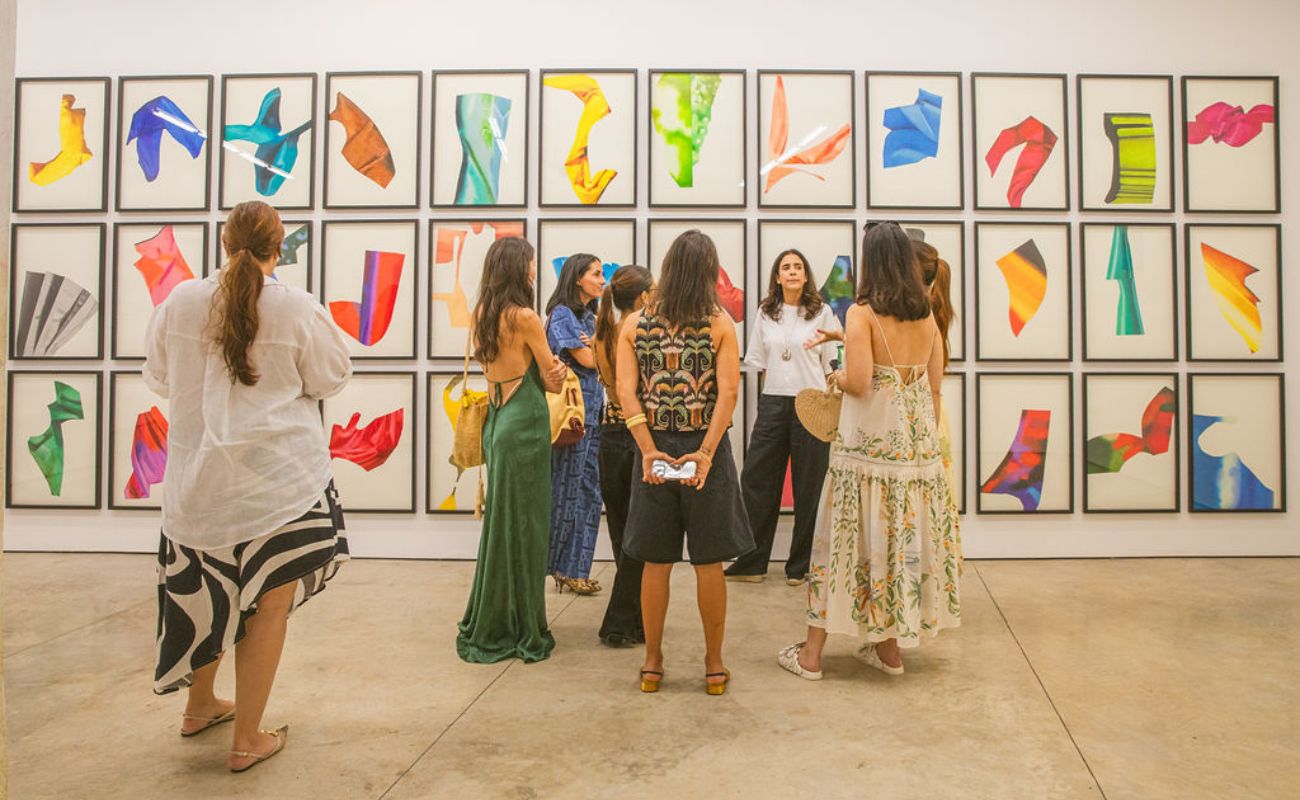
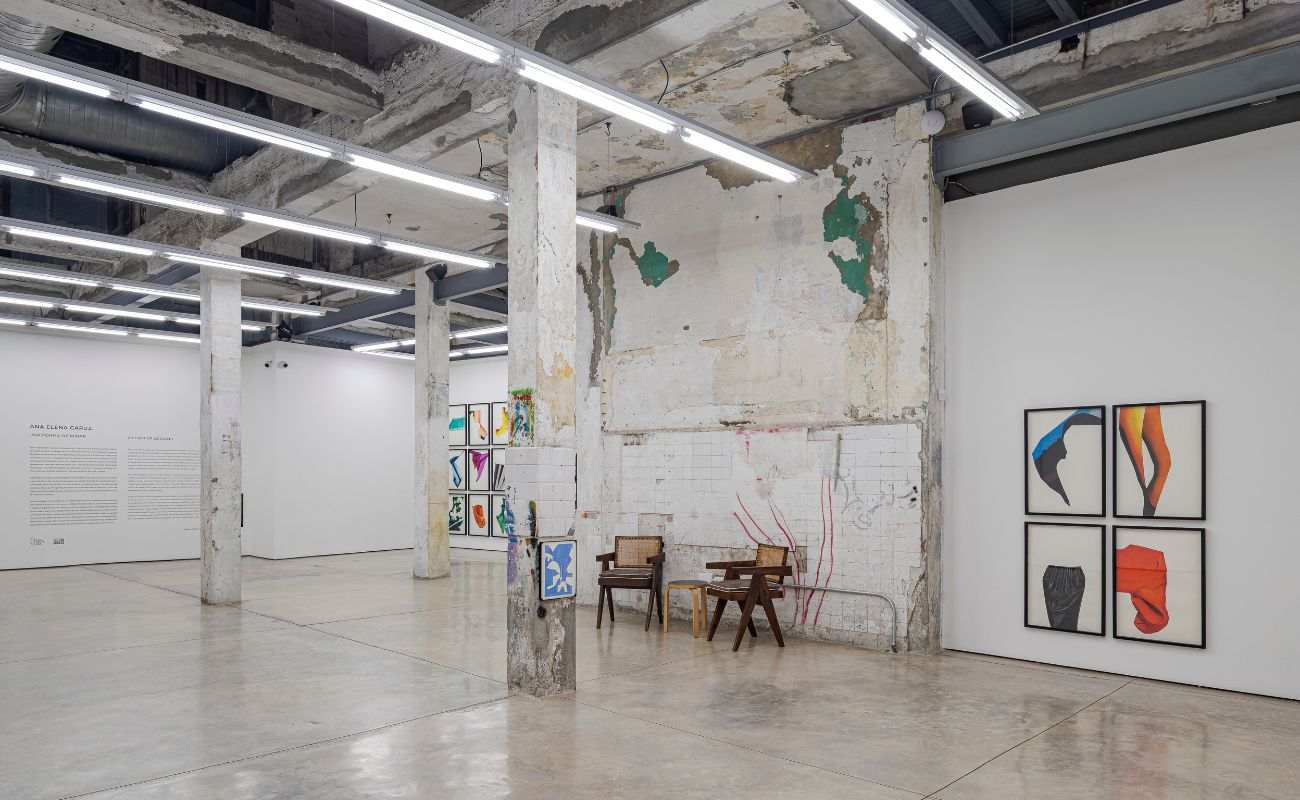
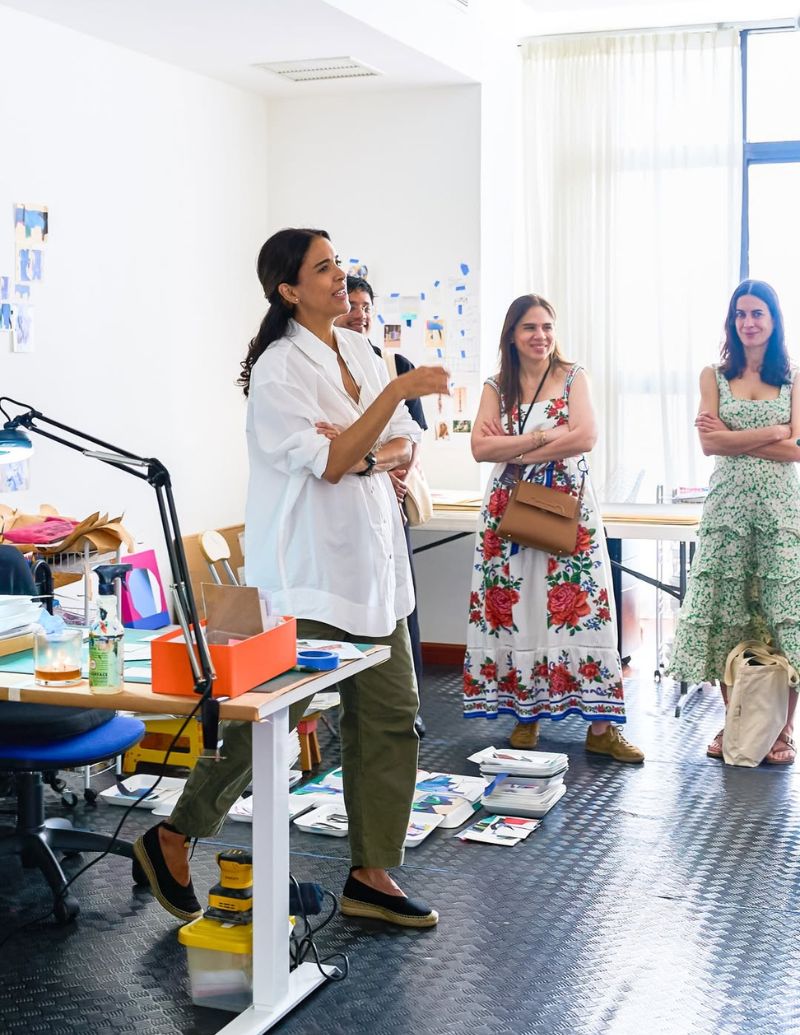
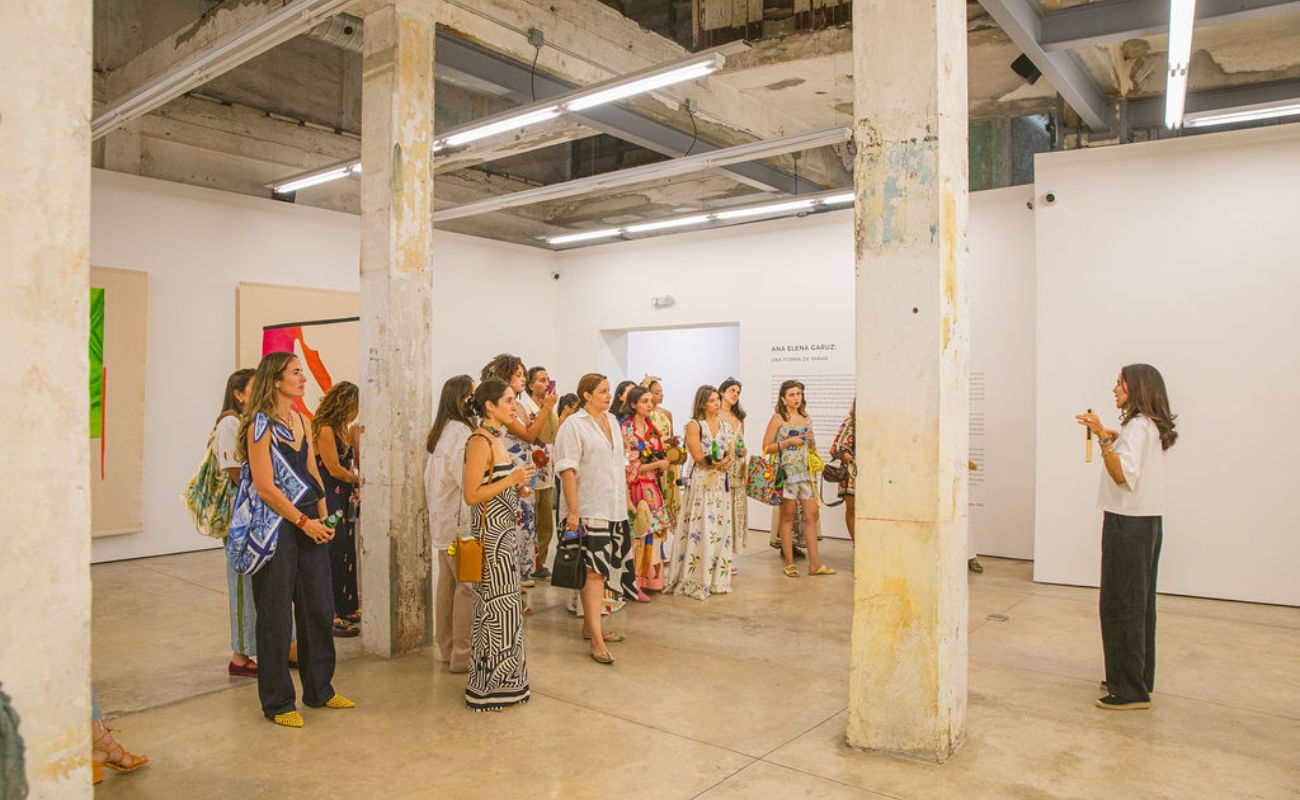
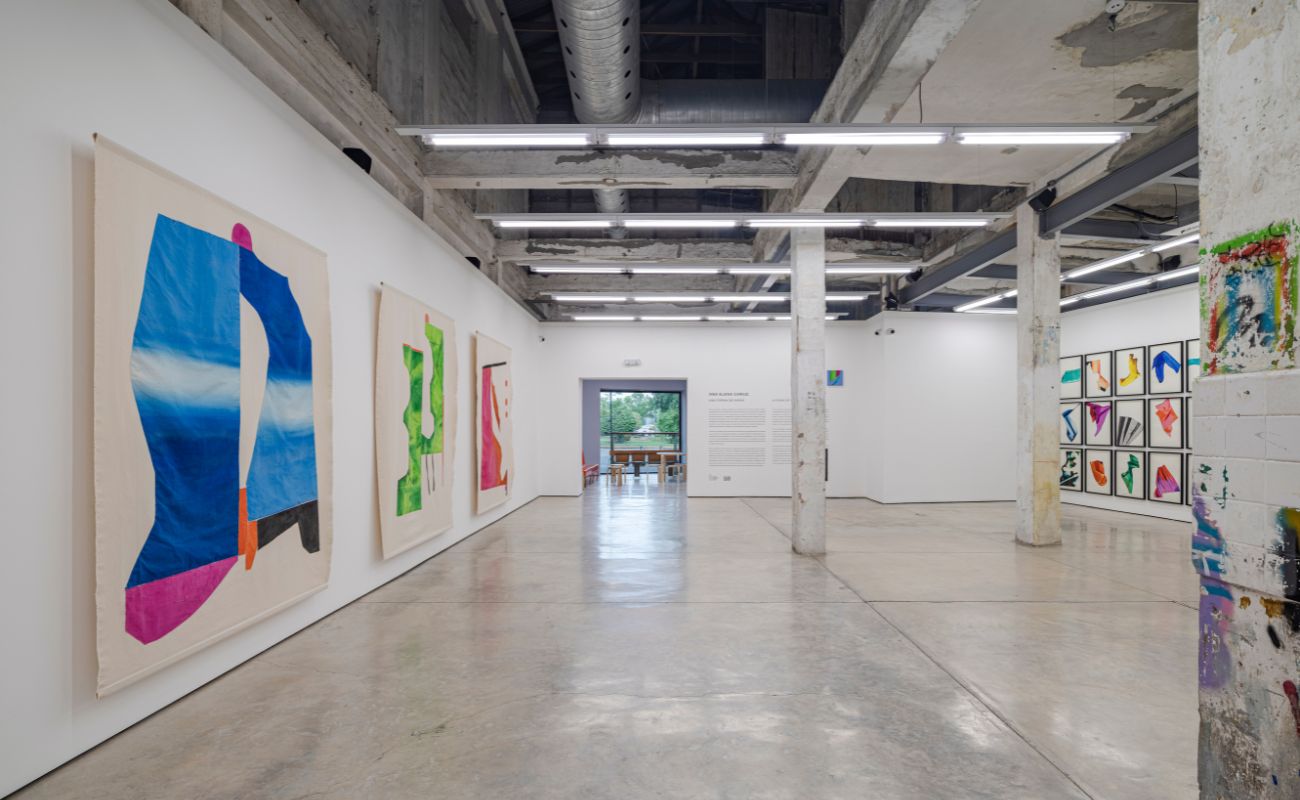
As part of a morning hosted by Latinness and FARM Rio to celebrate the opening of the brand’s new Panama store, guests gathered at Casa Santa Ana for an avant-premiere of Otra forma de mirar, Ana Elena Garuz’s latest exhibition, presented in collaboration with Diablo Rosso.
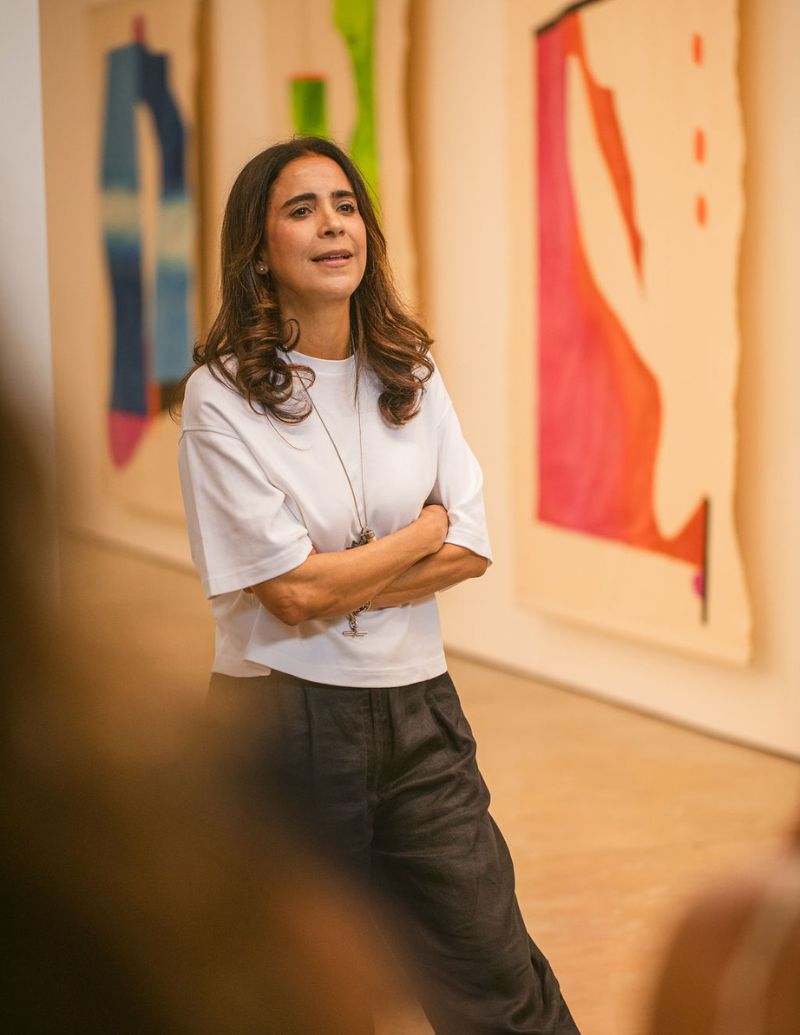
Against the backdrop of the exhibition, we spoke with Garuz about the ideas, processes, and inquiries that inform her practice. The conversation echoed the spirit of the show itself: an invitation to slow down, reconsider familiar perspectives, and explore new ways of seeing.
Una forma de mirar feels deeply personal and, at the same time, invites people to look at everyday things from a different perspective. What emotions or memories guided you while creating this exhibition?
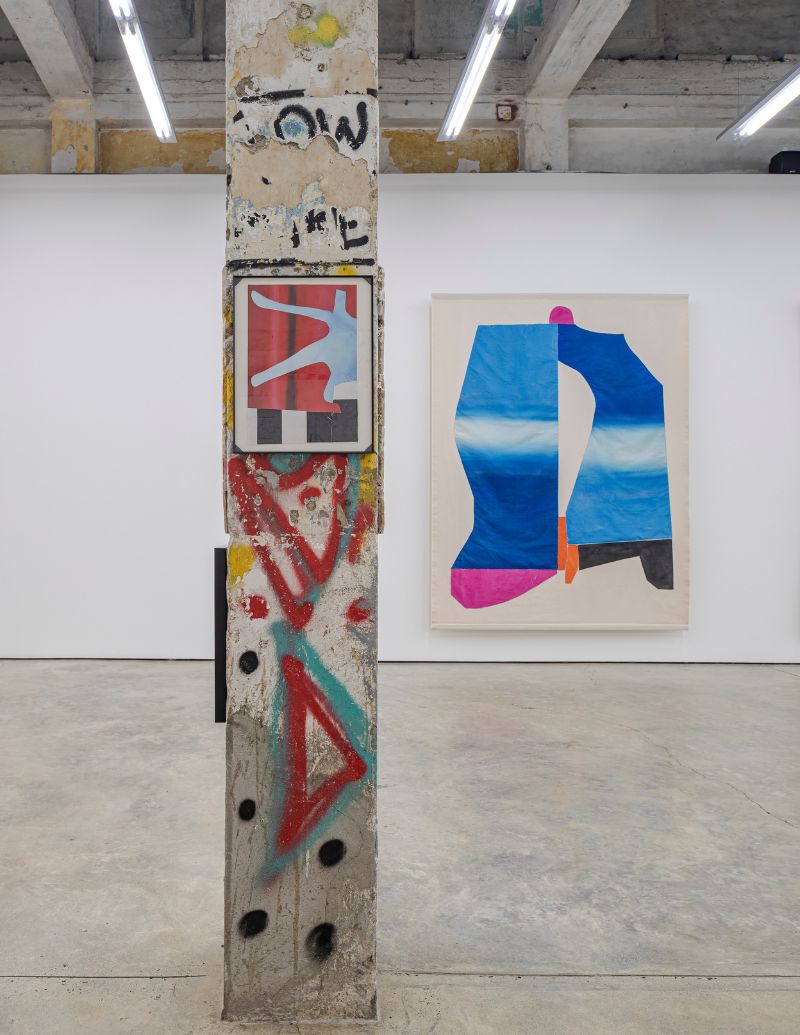
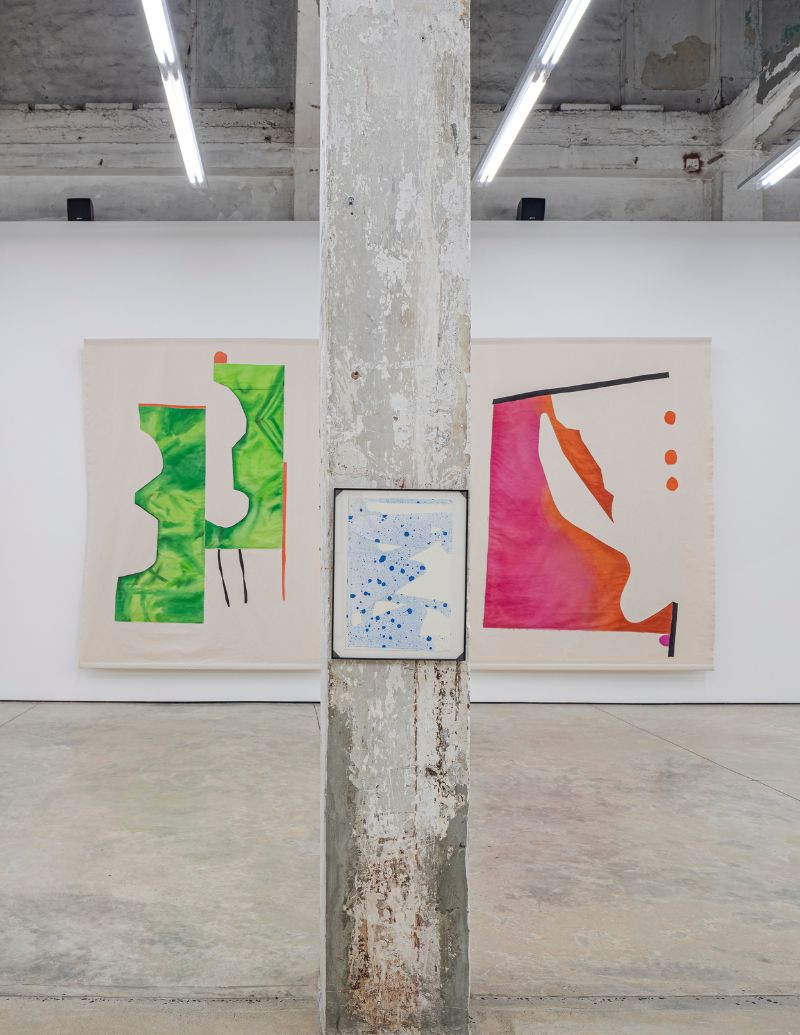
I began making textile collages partly because I was looking for a medium that would allow me to work on a much larger scale than paper allows me to, creating something that exists between painting and drawing.
These textile collages take me back to my childhood, when I used to help my mother cut out sewing patterns that she would spread across the floor. They remind me of that relationship between the domestic, the manual, and forms of work historically associated with femininity. Sewing and working with textiles now is my response or need to return to a material I can manipulate with my hands.
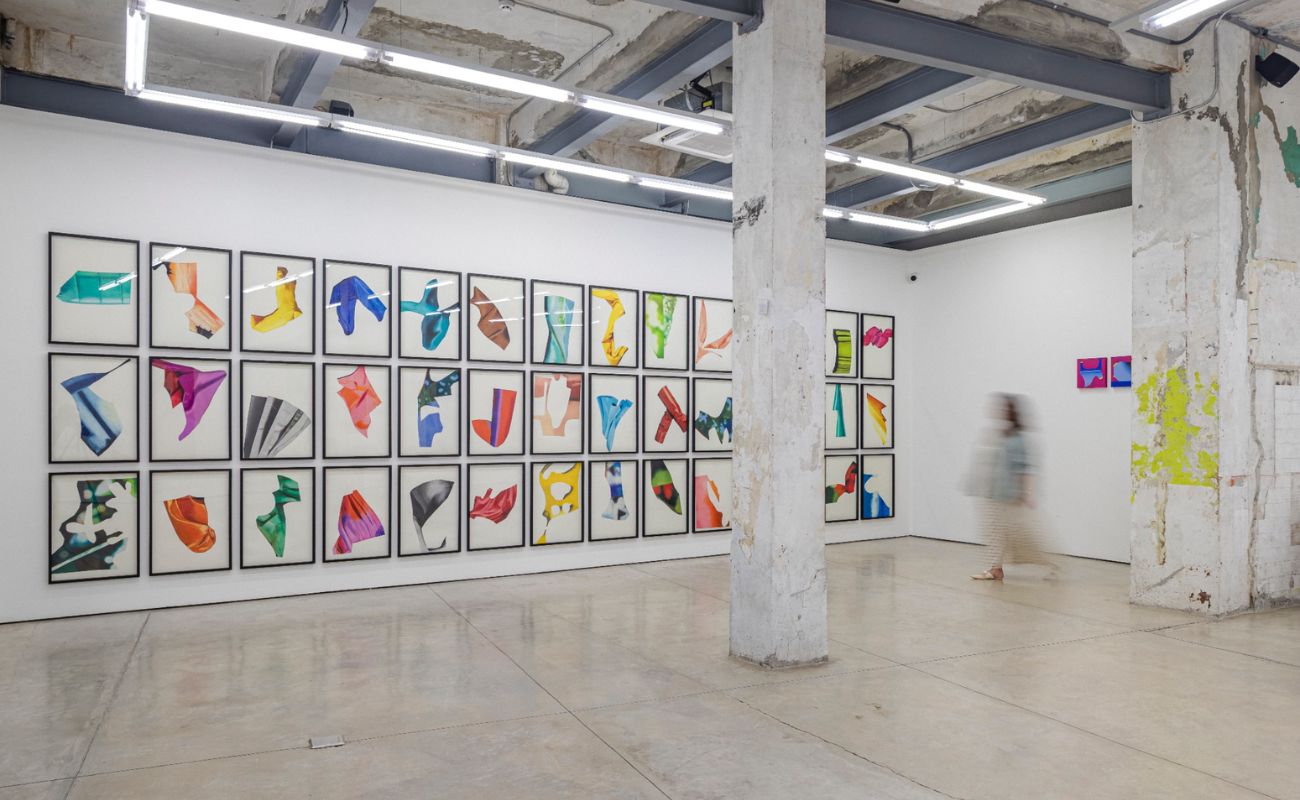
I see drawings as an exercise in observation, almost a meditation that allows me to build new relationships and meanings, a kind of typological collection of today.

Photograph by Alfredo Martiz / Courtesy of Casa Santa Ana.
Do you remember your first encounter with art? Is there any memory you feel marked that initial connection?
I took painting classes when I was 8 or 9 years old. I clearly remember a small reproduction of Fragonard’s The Swing and a Gauguin poster in my parents’ house. Both pieces intrigued me; I found them mysterious. There was always art in my parents’ home. Over time, they went from reproductions, to graphic works, and eventually to purchasing certain paintings by mostly Panamanian artists. Some of these works remind me of moments in my life, in the same way certain songs do. Today, I have some of these works in my home, and having them close gives me that sense of security that takes you to a familiar place and feeling of home, because they have always accompanied me.
Photograph by Alfredo Martiz / Courtesy of Casa Santa Ana.
Your work transforms familiar elements, fabrics, magazines, landscapes into something new. What is it about these everyday visual experiences that continues to inspire and move you?
From the beginning I have been interested in certain materials that allow me to make connections. For example, I used hair to evoke an absent body and melancholy. I think the most important thing for me is to maintain that curiosity to keep observing my surroundings and continue developing these relationships that connect me to design, fashion, consumerism, being a woman, art history—all the things that interest me.
Each day I focus more on executing and developing my ideas, which makes the future exciting for me.
Photograph by Alfredo Martiz / Courtesy of Casa Santa Ana.
As someone who spent a large part of her career in the magazine industry, I would love to know more about how that world has shaped you creatively. What learnings or sensitivities from that period remain present in your artistic practice?
I grew up with magazines; I was given my first magazine subscription at 9 or 10 years old. Magazines were the means to stay up to date with culture, fashion, and design in the pre-internet era in which I grew up. My Pinterest used to be folders where I stored cut-outs classified by interest. Someone once said that “magazines are an archaeology of collective desire,” they speak about what a society longs for, admires, discusses, consumes, or imagines at a specific moment. Like an archaeological excavation, they allow us to read layers of cultural values of today.
Magazines are a condensation of what an era desires to project and achieve. When observing and searching for images in these magazines, I feel almost like an archaeologist extracting fragments from different contexts that later reveal hidden connections I discover as I develop my work. My work could be read in many ways, but one that interests me is seeing drawings as a kind of new alphabet or map of that dispersed perception that I try to slow down
Photograph by Alfredo Martiz / Courtesy of Casa Santa Ana.
How does the shift from the tactile, curated experience of print to today’s fast and fleeting digital visual culture make you feel? How does it influence your work?
Magazine images are meant to seduce, and in a way I also try to do that with these fragments. I want to slow down this fast flow of visual consumption and turn it into observation. But I must accept that I move between both worlds: the printed image and the digital one. At times I need to touch paper, to return to the tactile, and at other moments the screen absorbs me more than it should.
Your exhibition seems to invite people to slow down and truly pay attention. What do you hope people feel—or perhaps rediscover—when they spend time with your work?
There is an exercise done by The New York Times called the 10 Minute Challenge with a work of art. It invites readers to practice deep, sustained attention and move away from digital distractions by looking at a work of art for 10 minutes. I like the idea that we try to slow down and are forced to look and discover by looking. That is what I would like to happen with viewers experiencing my work.
How does the environment and life here in Panama influence your work?
We are what we read, what we see, what surrounds us. Living and creating here has a huge influence on my work: the blue color of the summer sky, the color of the sea. Panama City is complex, chaotic, unstructured, growing without urban planning. In some parts of the city you can see the tropical jungle contrasting with the sea and buildings. It can be sunny in the morning and rainy in the afternoon, or days when it rains with sun. The color of the water in the bay changes with the tide, and in Casco Viejo you can see someone selling shaved ice next to a fine dining restaurant. I love my city and observe it with curiosity and attentiveness.
Photograph by Alfredo Martiz / Courtesy of Casa Santa Ana.
How does creating from Latin America, and from your experience as a woman, shape the gaze and the questions that run through your work?
Living and creating in Latin America has deeply shaped my way of seeing. Existing from here implies a particular relationship with precarity: that condition permeates the way I select, organize, and combine the materials and images I use. In my work this is not always literal, but operates through a sensitivity and through the ways I relate to my environment.
My work gives importance to what might seem like a detail, perhaps as a response to the need to find order within chaos. I have thought that, in some way, I try to speak about this place through images and objects that circulate around global desire.
I am interested in how the context from which I look affects the way I organize and construct my visual world, my imaginary.